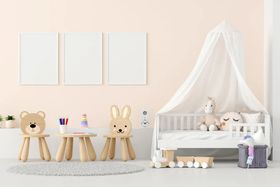


Nursery Nesting Checklist: Everything You Need Before Baby Arrives
Nesting before the baby arrives is more useful than people realise. There are eight key nursery preparation areas that parents need to focus on, from safe sleep setup and feeding stations to babyproofing and sibling preparation.






Updated April 21, 2026

AI Summary


Around the third trimester, you might notice a strong urge to get everything ready. Expectant mothers often feel it most strongly, but partners can get caught up in it too.
You may find yourself rearranging cupboards late at night, washing tiny baby clothes that won’t be needed for a while, or measuring the nursery more than once just to be sure it feels right. This is known as nesting, and it’s a completely normal part of pregnancy.
Whether it comes from instinct or simply wanting to feel prepared as a parent, getting things ready like your hospital bag before your baby arrives can make those first few weeks much easier for both of you. This checklist covers what actually matters and what you can safely skip.
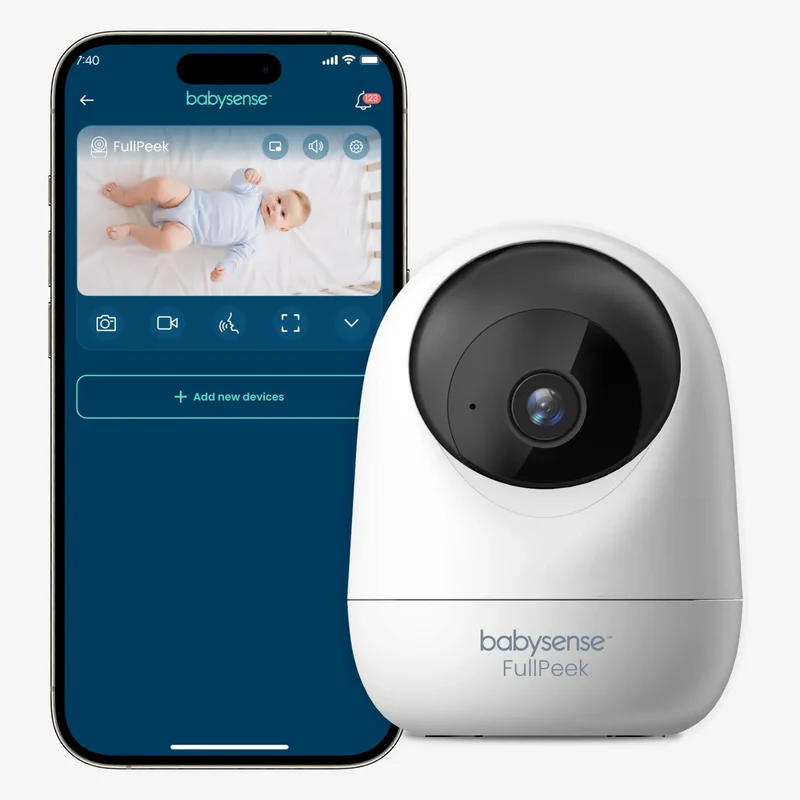
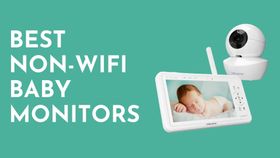
Add a Baby Monitor to Your Checklist
A video monitor is one of the most practical things you can set up before your baby arrives.
What Is Nesting During Pregnancy?
Nesting is the instinct, or in many cases the socially encouraged urge, to prepare your home before your baby arrives. It most commonly begins during the last trimester of pregnancy [1].
Common nesting behaviors include:
Decluttering and reorganising the home.
Stocking up on baby essentials.
Pre-washing clothing and linens.
This last one is more than just a nesting habit. Pre-washing removes manufacturing chemicals and residues that can irritate a newborn's sensitive skin.
However, the urge shows up for you, channelling it into the right things makes a real difference. Here's where to start:
The Nesting Checklist: 8 Things to Prepare Before Baby Arrives
1. Set Up a Safe Sleep Space
If you only get one thing fully sorted before your baby comes home, make it a safe sleeping spot.
Where and how your baby sleeps matters enormously in those early months, and the AAP (American Academy of Pediatrics) has clear guidelines to help reduce the risk of SIDS (Sudden Infant Death Syndrome), the sudden, unexplained death of an infant [2].
What you need for safe sleep:
- A separate sleep surface, such as a crib, bassinet, or co-sleeper that attaches to the side of your bed.
- A firm, flat mattress with a well-fitted sheet and nothing else.
- No blankets, pillows, bumpers, or mattress toppers in the sleep space.
- No incline or wedge devices.
What you don't need for safe sleep:
There are a lot of products marketed as sleep aids for babies that aren't just unnecessary; they're genuinely risky. Crib bumpers, sleep positioners, inclined mattress devices, and even sleeping with stuffed animals all increase the risk of SIDS.
2. Prepare Your Feeding Station
Feeding a newborn takes up a huge chunk of those early days, and having everything in place before the birth means one less thing to figure out when you're running on very little sleep. This is especially helpful when you don't know how long your breastfed baby will sleep through the night.
If you're breastfeeding
- Nipple cream: Lanolin-based creams are safe for babies and help prevent the dryness and cracking that can happen in those first weeks while your baby is learning to latch.
- Breast pump: Pumping lets you store milk, share feeds with a partner or caregiver, and can help boost supply. Pumping around an hour after each breastfeeding session tends to work well.
- Breastmilk storage bottles: Look for freezer-safe options in two to four-ounce sizes. Breastmilk keeps safely in the freezer for up to three months.
If you're formula feeding
- BPA-free bottles: BPA is a chemical found in some plastics that's been linked to reproductive harm. Always check that bottles are explicitly BPA-free, and Consumer Reports is a good resource for comparing safe options.
- Bottle warmer: A quick, easy way to warm formula or stored breastmilk without the risk of overheating. Try to keep the temperature at or below 37 degrees Celsius (98.6 degrees Fahrenheit), as higher temperatures can affect the quality of breastmilk.
3. Stock Your Diapering Area
Here's a rule that will save you more than once: everything you need for a nappy change should be within arm's reach before you put the baby down. One hand stays on the baby at all times, which means no reaching across the room for the cream you forgot.
Stock up on:
- Diapers: Conventional or cloth comes down to personal preference. If there's a family history of sensitive skin, a hypoallergenic option is worth looking into.
- Wet wipes: Look for wipes with a slightly acidic pH, which helps protect your baby's skin. Water-only wipes don't offer the same protection and aren't ideal for most babies.
- Changing table covers: Washable, removable covers make cleanup much easier and keep things hygienic.
- Zinc oxide diaper cream: More effective than petroleum jelly when it comes to preventing and treating diaper rash.
4. Sort Clothing and Linens
Buy practical, not sentimental
It's tempting to stock up on newborn outfits, but some babies skip that size entirely. A range of sizes is much more practical than a drawer full of clothes your baby may never actually wear.
A few things worth keeping in mind:
- Lightweight, breathable fabrics are important. Overheating during sleep is a known SIDS risk factor.
- Clothing with snaps or velcro makes nappy changes a lot less fiddly.
- Pre-wash everything before use. It removes residues from manufacturing and reduces heavy metal exposure, which is a growing concern with some synthetic fabrics. 100 percent cotton or wool is the safer choice.
What you don't need
Matching nursery sets can look beautiful, but they don't add anything useful to your baby's sleep space. A firm mattress and a fitted sheet are genuinely all you need in the cot.
5. Set Up the Nursery Environment
You'll be spending a lot of time in this room, especially in those first weeks. Getting it right before the baby arrives is one of those things you'll quietly thank yourself for later.
Lighting
Blackout curtains or shades are worth it. A properly dark room helps your baby begin to understand the difference between day and night, and makes settling for naps a lot easier, particularly in summer when it stays light so late.
Air quality and humidity
A cool mist humidifier is a genuinely useful thing to have on hand. When your baby gets a stuffy nose from a cold, which they will, it's one of the few things that actually provides relief. Warm mist humidifiers are less effective and can actually make nasal swelling worse, so stick to cool mist.
Noise
If you'd like to use a white noise machine, keep it as quiet as possible and well below 70 decibels. Some of the devices on the market can reach volumes that may damage a baby's hearing. Place it as far from the cot as you practically can.
6. Add a Baby Monitor
Being able to see and hear your baby without physically going into the room is one of those things that makes the early weeks more manageable for everyone. Fewer unnecessary check-ins mean less sleep disruption for your baby, and a little more rest for you.
If the baby's bed is in a separate room, a baby monitor with a camera may be useful. It's best to be able to see when you need to check your baby, and when they're comfortably sleeping.
When you're choosing a monitor, clear video and audio are what matter most. Some devices make big claims about tracking vitals and ensuring safe sleep, but the research behind those features is limited, and inaccurate readings can actually add to parental stress rather than ease it.
7. Babyproof the Basics in Advance
You don't need to turn the whole house upside down before a newborn arrives. But a handful of safety measures are genuinely worth doing now, before life gets busier than you can imagine.
Do these before baby comes home:
- Anchor large furniture to the wall. Once babies start pulling themselves up to stand, around nine months, unsecured furniture becomes a real hazard.
- Move window treatment cords well out of reach. Cords are a strangulation risk, and it takes very little time to sort this out in advance.
- Set your water heater to 48.9 degrees Celsius (120 degrees Fahrenheit) or lower. This prevents scald burns when bath time starts.
- Save the Poison Control number in your phone and put it somewhere visible at home. Over 50 percent of unintentional infant ingestions involve medications, and having the number ready takes the panic out of the moment [3].
8. Set Up a Comfortable Feeding Chair
This one is easy to overlook in the middle of everything else, but it matters more than most parents expect, especially if you're planning to breastfeed.
Look for something that supports your neck and shoulders properly, with an adjustable position and a footrest if possible. You'll be sitting here a lot in those early weeks. Comfort is worth the investment.
What to Check Other Than the Nursery?
Pets
If you have a dog or a cat at home, you can breathe easy. Research consistently shows that growing up around animals is actually good for babies, helping to build their immune system and supporting early cognitive and visual development. The main precautions are for less common pets [6].
Turtles and other reptiles carry high levels of Salmonella, a bacteria that can cause serious illness in young infants. If you have reptiles at home, speak with your doctor about the risks before the baby arrives. And regardless of what pets you have, always keep an eye on any contact with your baby.
Older siblings
The nesting period is also a good time to think about how your older child might respond once the baby is home. Toddlers between two and four can experience real jealousy once the initial excitement of a new sibling fades, and it helps to prepare for that.
A few simple things that make a difference:
- Include them in small, age-appropriate tasks like fetching things during feeds or nappy changes.
- Set aside time that's just for them, away from the baby.
- Take their feelings seriously rather than brushing them aside.
- Make a point of celebrating their own achievements and milestones.
It's also worth knowing that some toddlers temporarily regress when a new baby arrives. They might start waking at night again or have accidents after being toilet-trained. It's normal, and it usually passes.
Book a Prenatal Pediatric Visit
Here's one that often gets overlooked: try to meet your baby's future pediatrician before the birth. It sounds like an extra thing to squeeze in, but it genuinely makes a difference to how settled you'll feel going into those first newborn days.
It's a chance to ask questions while you still have the headspace to think of them.
You're More Ready Than You Think
Getting the nursery ready before your baby arrives doesn't have to be overwhelming. Focus on the things that genuinely matter, a safe sleep space, a feeding setup that works for you, a stocked changing area, and a comfortable room environment, and the rest will fall into place.
The nesting urge exists for a good reason. Use it to get ahead of the things that will matter most in those early weeks, when you're tired, and your whole world has shifted, and you'll be glad past-you sorted the small stuff in advance.
And remember, no nursery has to be perfect. Your baby doesn't need a beautifully coordinated room. They need you, and a safe place to sleep. Everything else is a bonus.
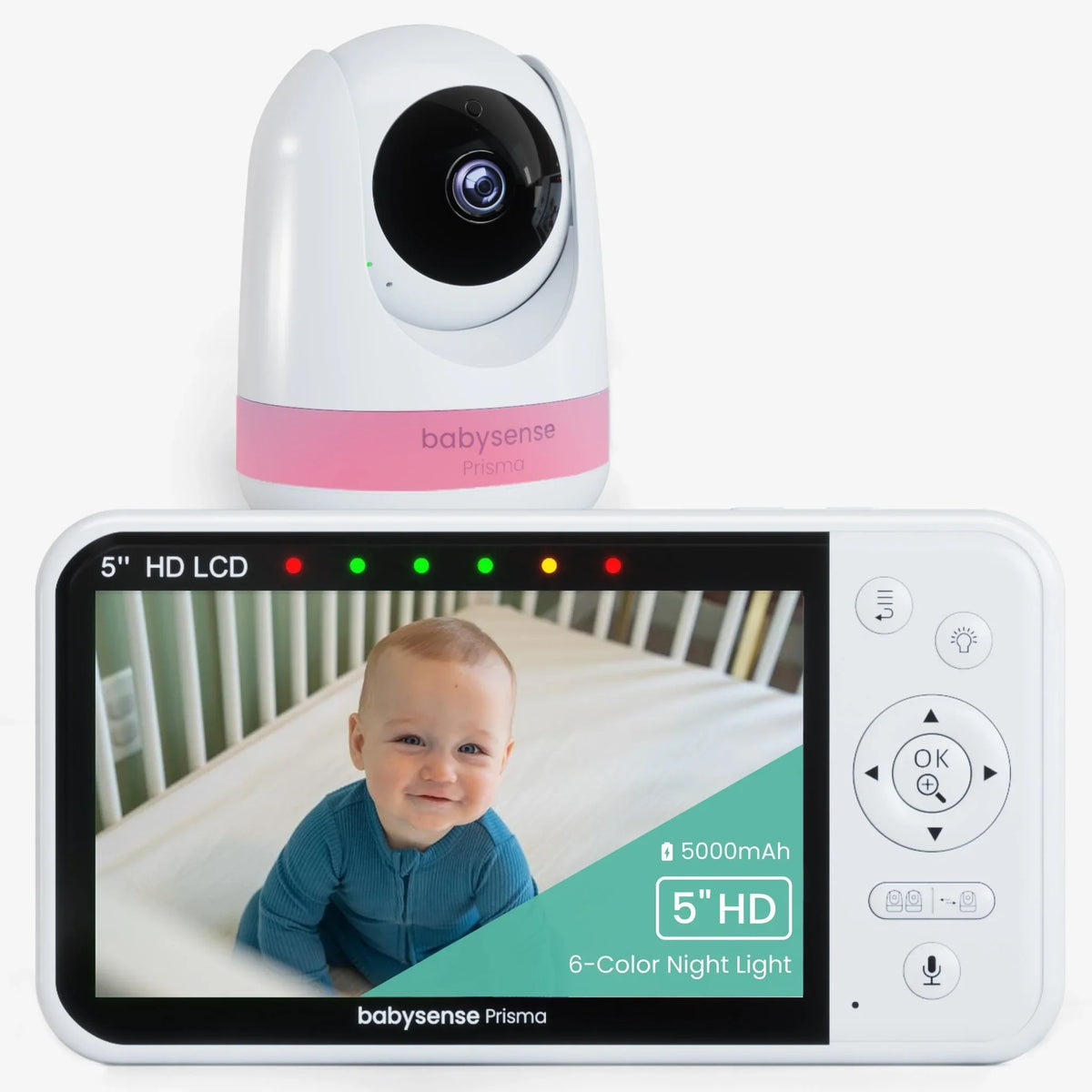
Clear Video. Real Peace of Mind.
The Babysense Video Monitor lets you see and hear your baby clearly, day or night.
References
Clinic, C. (2024, November 22). Nesting instinct when pregnant. Cleveland Clinic. https://health.clevelandclinic.org/nesting
Safe sleep. (n.d.). https://www.aap.org/en/patient-care/safe-sleep/?srsltid=AfmBOooCvrQqy9QnsRoA2bxAvYg246puMe5jqKxFUS3j6E8KDy6HegXz
Lovegrove, M. C., Weidle, N. J., & Budnitz, D. S. (2018). Ingestion of Over-the-Counter liquid medications: Emergency department visits by children aged less than 6 years, 2012–2015. American Journal of Preventive Medicine, 56(2), 288–292. https://doi.org/10.1016/j.amepre.2018.10.004
Liu, Z., Zhang, C., Ji, X., Yi, X., & Yao, J. (2024). Design of breastfeeding chairs for maternity rooms based on Kano-AHP-QFD: User requirement-driven design approach. Heliyon, 10(10), e31287. https://doi.org/10.1016/j.heliyon.2024.e31287
Simpson, A. (2010). Effect of household pet ownership on infant immune response and subsequent sensitization. Journal of Asthma and Allergy, 3, 131. https://doi.org/10.2147/jaa.s6958
FAQs
When does nesting start during pregnancy?
It most commonly begins during the third trimester, but some parents feel the urge earlier and others not at all. There's no right or wrong timeline.
Do I need to pre-wash all baby clothes and linens?
Yes. Pre-washing removes manufacturing residues, chemicals, and potential heavy metal contamination from fabrics. Use a gentle, fragrance-free detergent.
How many newborn-sized clothes should I buy?
Not too many. Some babies skip the newborn size entirely. Buy a small amount in newborn and a larger amount in the next size up. You can always get more once you know how your baby is growing.
Is nesting a biological instinct?
Not exactly. Current medical literature describes nesting as more of a psychosocial behavior than a biological one. That said, the preparation itself is genuinely useful regardless of what drives it.
What's the most important thing to have ready before baby comes home?
A safe sleep space. Everything else can be figured out in the days after birth. The crib or bassinet, firm mattress, and fitted sheet should be set up and ready before you leave for the hospital.