SIDS Risk Timeline: Understanding the First Year of Safe Sleep
SIDS risk peaks between 1 and 4 months and declines significantly after 6 months. There is no single known cause, but prevention centres on consistent safe sleep practices, including back sleeping, an empty crib, and a smoke-free environment.






Updated March 24, 2026
AI Summary


In this article
What Is SIDS?
What Causes SIDS? The Triple-Risk Model Explained
Warning Signs of SIDS?
Baby Age Groups When the SIDS Risk is Highest
Show More
Every new parent goes through the feeling of wondering if their baby is okay while they sleep. For many, the fear of Sudden Infant Death Syndrome (SIDS) is one of the most stressful parts of those early months. It is a topic that is hard to talk about, but one that every parent deserves to understand clearly and honestly.
Now, SIDS is far less common than it once was, and there is a great deal you can do to reduce the risk. In this post, we will walk through what SIDS actually is, when the risk is highest, what causes it, and what safe sleep practices give your baby the best protection through every stage of the first year.
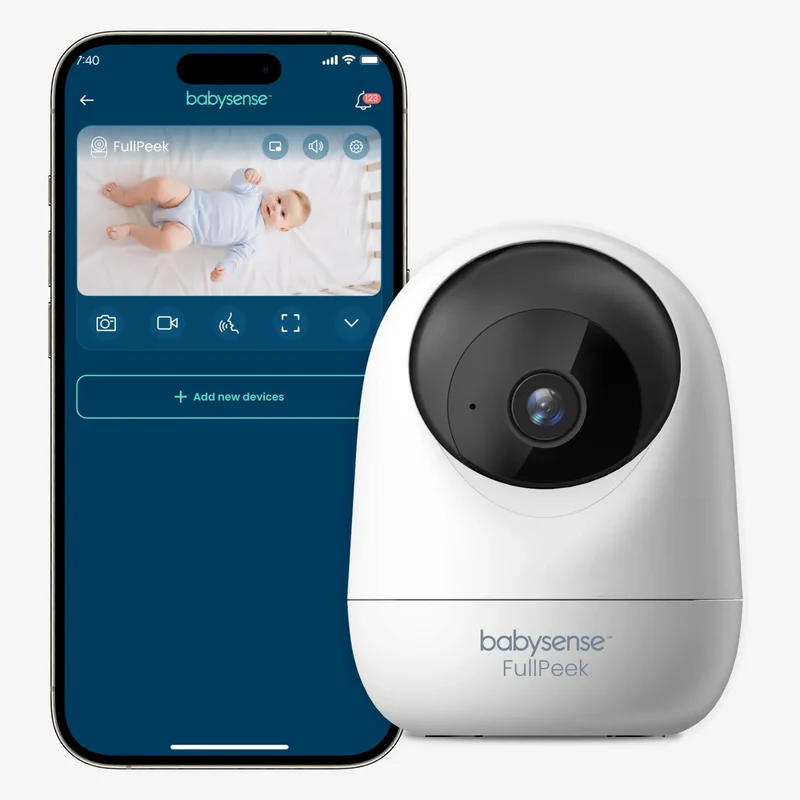
Sleep Worry-Free at Night
The Babysense Video Monitor lets you keep a close eye on your baby, without stepping into the room.
What Is SIDS?
Sudden Infant Death Syndrome, or SIDS, is the term used when a baby under 1 year old passes away suddenly and unexpectedly, and doctors are unable to find a reason why, even after a careful investigation. It's one of those heartbreaking situations where, despite thorough testing and review, there are simply no answers.
Are All Infant Deaths SIDS?
Something important that often gets missed is that not every unexpected infant sleep death is classified as SIDS. Sometimes, an investigation does uncover a cause like a blocked airway, an infection, or an unsafe sleep environment.
When that happens, the death is recorded under a different category. In 2022, the CDC recorded around 1,529 deaths in the U.S. that were specifically classified as SIDS, separate from other sleep-related causes [1].
Because it actually helps make sense of why safe sleep advice focuses so heavily on your baby's sleep environment. Many sleep-related infant deaths that are not SIDS are linked to preventable environmental factors, such as:
Soft bedding
Unsafe sleeping surfaces
Bed-sharing.
Understanding this gives you real, actionable ways to protect your baby.
How Common Is SIDS Today?
The good news is that SIDS is significantly less common than it used to be. Thanks largely to the "Back to Sleep" campaign launched in the early 1990s, which encouraged parents to place babies on their backs to sleep, SIDS rates dropped dramatically.
By 2022, the rate in the U.S. had fallen to around 0.41 deaths per 1,000 live births, a huge improvement from the peak rates seen in the late 1980s [1]. Well over 99% of infants will not experience SIDS. The risk is not zero, but it is low, and you can reduce it even further by following safe sleep practices consistently.
» Look into safe sleep training for your baby.
What Causes SIDS? The Triple-Risk Model Explained
Biological Factors Behind SIDS
SIDS does not have one clear cause, and that is part of what makes it so hard for parents. What researchers currently believe is that SIDS happens when three things come together at the same time [3]:
Some babies may have subtle differences in how a part of the brainstem (the lower part of the brain that controls basic body functions) works. This area helps regulate breathing and the body's response to low oxygen levels.
These differences are not always detectable and do not cause any obvious symptoms.
This vulnerability matters most during a specific period of early development, particularly between 2 and 4 months of age. This is when certain protective reflexes are still maturing, making some babies more sensitive to stress on the body during sleep.
On its own, biological vulnerability is rarely enough. It is usually when an environmental factor, like an unsafe sleep position or soft bedding, is added into the mix that risk increases meaningfully.
Most babies will never be in a situation where all three of these things come together. But understanding the model helps explain why safe sleep guidance to prevent SIDS focuses so strongly on the one factor parents can directly control: the sleep environment.
Environmental and External Risk Factors for SIDS
What often makes the difference is what is happening in the sleep environment at the same time. Placing a baby on their stomach to sleep is the single most consistently identified environmental risk factor across research studies, and it significantly raises the risk compared to back sleeping [4].
Other sleep environment factors that are well established as risks include:
- Soft bedding, loose blankets, and pillow use
- Couch or sofa sleeping
- Overheating
- Bed-sharing, especially when combined with parental smoking or alcohol use
- Inclined or propped sleep surfaces
It is easy to underestimate how much these things matter, especially when they feel small or temporary. But things like a loose blanket or a slightly tilted sleep surface can affect how a baby breathes during sleep, particularly during those early months.
The reassuring part is that these are things you have real control over, and making safe sleep a consistent habit during your newborn baby's sleep schedule is one of the most meaningful things you can do for your baby.
» Read More: Nursery temperature and humidity best practices guide.
Warning Signs of SIDS?
This is one of the hardest questions parents ask, but there are no reliable warning signs or symptoms that predict SIDS.
Infants who die from SIDS are almost always described as having appeared completely healthy at their last observation. Large epidemiologic reviews have not identified a consistent pattern of abnormal breathing, feeding changes, fever, or distress that reliably precedes SIDS [5].
Have Parents Spotted Any Warning Signs of SIDS?
One of the hardest things parents grapple with after a SIDS loss is wondering whether they missed something. However, in true SIDS cases, there are no warning signs to catch. This is not a failure of parental attention. It is simply the nature of the condition.
What this means for you as a parent is that prevention cannot come from watching for symptoms. It has to be built into how you set up your baby's sleep space, every single time you put them down.
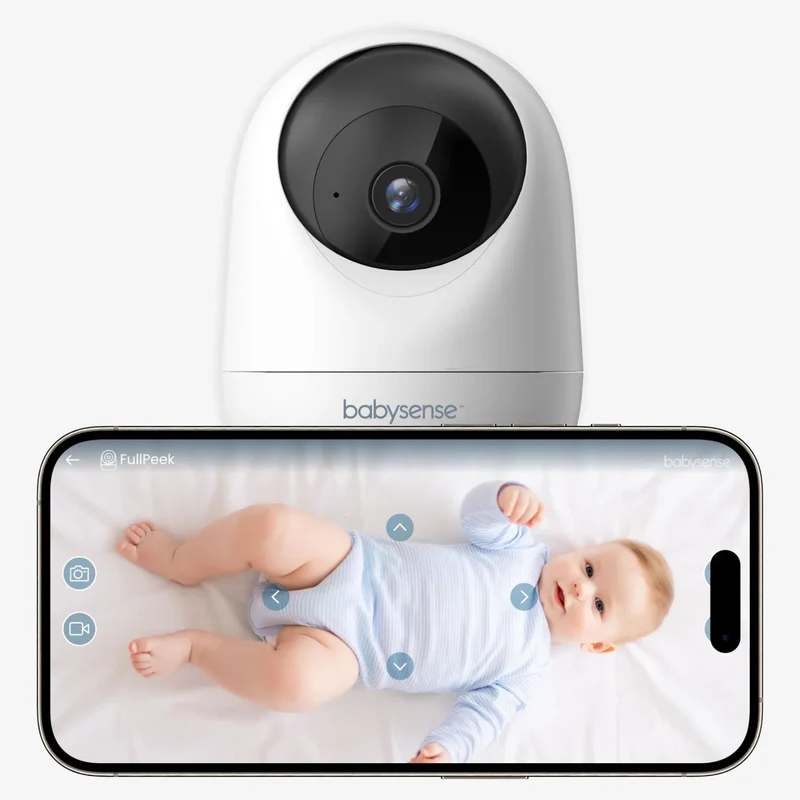
Build the Safest Sleep Setup
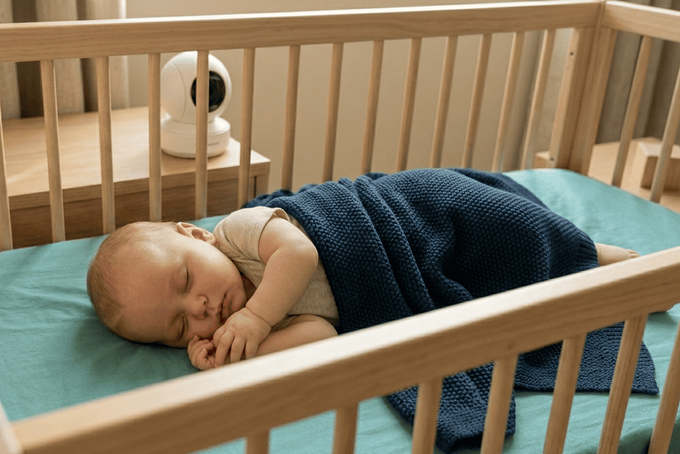
A safe crib environment is your strongest defence against SIDS risk. With Babysense Video Monitor:
Confirm your baby is on their back without disturbing their sleep
Get instant alerts if room temperature rises above a safe range
Hear every sound clearly with high-sensitivity two-way audio
Baby Age Groups When the SIDS Risk is Highest
SIDS risk is not the same throughout your baby's first year. It follows a fairly predictable pattern, which is actually something that can bring a little reassurance once you understand it.
When Is SIDS Risk Highest in Babies?
Risk is relatively low in the very first weeks of life. It then rises and peaks between 1 and 4 months, with the highest concentration around 2 to 3 months of age. Around 90% of SIDS cases occur before 6 months, and cases become much less common after 8 months [6].
The highest risk window for SIDS in babies is finite. Knowing this can help you focus your energy on being especially consistent with safe sleep practices during those early months.
Why Does SIDS Risk Go Down as Babies Get Older?
As babies grow, their bodies get better at protecting themselves during sleep. A few things happen around the 4 to 6 month mark that naturally reduce risk.
Brain development: The part of the brain that controls breathing and arousal matures significantly. Early on, these pathways are still developing, which is why some babies may struggle to respond to low oxygen during sleep.
Stronger reflexes: Older babies develop better head control and the ability to reposition themselves if something is obstructing their airway, reducing their vulnerability in a compromised sleep environment.
More stable sleep patterns: As babies grow, their sleep becomes more settled and consistent, with smoother transitions between sleep stages that support safer, more stable breathing.
» Learn how to create a safe sleeping environment for your baby.
Safe Sleep Practices That Reduce SIDS Risk
The best safety sleep practices with the strongest evidence behind them are straightforward, but they only work when applied consistently, for every sleep, every time. These core safe sleep practices are:
- Back to sleep, every time: For naps and nighttime, without exception, do not let newborns sleep on their sides.
- Firm, flat sleep surface: As for sleep safety products for babies, use a crib, bassinet, or bedside co-sleeper with a firm mattress designed for infants.
- Empty crib: No blankets, pillows, bumpers, stuffed toys, or positioners.
- Room-sharing without bed-sharing: Having your baby sleep in your room (but in their own space) has been shown to reduce SIDS risk by up to 50% in infants under 6 months [7].
- Smoke-free environment: Both during pregnancy and after birth.
- Avoid overheating: Dress your baby appropriately for the room temperature.
A Safer Alternative to Blankets to Prevent SIDS
One practical swap that makes a real difference is replacing loose blankets with a sleep sack (a wearable blanket that stays in place as your baby moves). Loose bedding can shift over a sleeping baby's face and obstruct breathing. Sleep sacks eliminate that risk while keeping your baby warm.
When choosing a sleep sack:
Make sure it fits properly; one that is too large can bunch around the face.
Opt for breathable fabrics like cotton.
Keep an eye on the room temperature. Overheating in a sleep sack carries its own risk, so if your baby is sweating or feels hot to the touch, adjust the clothing or room temperature.
Products to Strictly Avoid to Prevent SIDS
Soft bedding significantly increases the risk of sleep-related infant death through suffocation and carbon dioxide rebreathing [8]. Beyond bedding, you should strictly avoid:
- Inclined sleepers: Flexed positioning narrows the airway and compromises oxygenation.
- Crib bumpers and pillows: Increase entrapment and suffocation risk with no proven safety benefit.
- Positioners or props: Any product that holds an infant in a fixed position during sleep.
- Couch or sofa sleeping: One of the highest-risk sleep surfaces for young infants.
Even brief use of these items during supervised awake time can normalize unsafe positioning habits that then carry over into unsupervised sleep.
» Go over the pros and cons of co-sleeping vs crib for baby.
Adapting Safe Sleep as Your Baby Grows
Safe sleep looks a little different at each stage of your baby's development. The core principles stay the same, but there are some important things to know as your baby reaches new milestones.
When Your Baby Starts Rolling (4 to 6 Months)
Once your baby can roll independently, you should still place them on their back at the start of every sleep. But if your baby rolls onto their stomach during sleep on their own, you do not need to rush in and reposition them every time. But make sure to keep them unswaddled after this, going forward.
At this stage, improved head control and stronger muscles reduce their vulnerability.
What you should avoid is adding pillows, sleep positioners, or loose bedding to try to manage the rolling. A clear, firm sleep surface is still the safest option.
This is also a good time to lower your crib mattress if you have not already, as your baby becomes more mobile and active.
Newborns vs. Older Babies Safe Sleep
Newborns are the most vulnerable. They have the least developed nervous systems and no motor control at all, which is why the safe sleep guidelines are most critical in those very early weeks and months.
A firm bassinet or crib in your room is all that is needed. Keep your baby on their back with nothing else in the sleep space.
As your baby moves toward 6 to 12 months, the risk of SIDS in babies drops significantly. But safe sleep practices should continue throughout the full first year, because while cases after 8 months are uncommon, they can still occur.
» Learn how long baby should sleep in your room.
Common Misconceptions About SIDS
1. SIDS Is the Same as Suffocation
They are related but not the same. SIDS is specifically defined as a death that remains unexplained even after a thorough investigation. Suffocation, on the other hand, does have an identifiable cause [9].
2. A Monitor Will Prevent SIDS
The American Academy of Pediatrics is clear that commercial monitoring devices have not been shown to reduce SIDS incidence in healthy infants [11]. Baby video monitors work as observational tools, valuable for parental reassurance and for quickly noticing distress.
3. Vaccines Cause SIDS
Multiple large population studies have found no causal association between vaccination and SIDS. In fact, some research suggests vaccination may be associated with reduced SIDS risk [12]. Avoiding immunization out of SIDS fear does not reduce risk and increases exposure to preventable illness.
» Discover if babies need a night light to sleep.
How a Baby Monitor Supports Safe Sleep?
A baby monitor will not prevent SIDS, and it is important to be clear about that. But used correctly, it can be a genuinely useful part of your safe sleep approach.
Video monitoring allows you to confirm your baby's sleep position without entering the room, spot unusual movement or sounds early, and maintain room-sharing without bed-sharing, which is itself a recommended protective practice. Features that matter most for safe sleep monitoring include:
- Real-time HD video to confirm back-sleeping position and check on your baby without disturbing their sleep.
- Infrared night vision for a clear picture without any room lighting.
- Two-way audio to detect unusual coughing, breathing sounds, or distress.
- Room temperature monitoring to help maintain a safe, thermoneutral environment, since overheating is a known SIDS risk factor.
The Babysense video monitors bring all of these together, giving you the visibility to feel reassured.
Less Worry, More Rest
You can't be in the room every minute, but with the Babysense video monitor, you don't need to be.
What to Expect as the Highest-Risk Period Passes
The early months after your baby is born can feel intense, and that is completely normal. But when it comes to SIDS, the highest-risk window does not last forever. Risk drops significantly by 6 months and is considered minimal by the time your baby reaches their first birthday.
Every milestone your baby hits, from gaining head control to rolling over, means their little body is getting stronger and more resilient. The hard season passes, and the worry does ease with it.
» Look into the Babysense smart nursery collection to support safe sleep from newborn through toddler.
References
1. Data and statistics for SUID and SIDS. (2024, September 17). Sudden Unexpected Infant Death and Sudden Infant Death Syndrome. https://www.cdc.gov/sudden-infant-death/data-research/data/index.html
2. Trends in SUID rates by cause of death, 1990—2022. (2024, September 17). Sudden Unexpected Infant Death and Sudden Infant Death Syndrome. https://www.cdc.gov/sudden-infant-death/data-research/data/sids-deaths-by-cause.html
3. Duncan, J. R., & Byard, R. W. (2018, May 1). Sudden Infant Death Syndrome: An overview. SIDS Sudden Infant and Early Childhood Death - NCBI Bookshelf. https://www.ncbi.nlm.nih.gov/books/NBK513399/
4. About back sleeping | Safe to Sleep®. (n.d.). https://safetosleep.nichd.nih.gov/. https://safetosleep.nichd.nih.gov/reduce-risk/back-sleeping
5. Vincent, A., Chu, N. T., Shah, A., Avanthika, C., Jhaveri, S., Singh, K., Limaye, O. M., & Boddu, H. (2023). Sudden infant death syndrome: risk factors and newer risk reduction strategies. Cureus, 15(6), e40572. https://doi.org/10.7759/cureus.40572
6. Kim, H., & Pearson-Shaver, A. L. (2023, July 24). Sudden infant death syndrome. StatPearls - NCBI Bookshelf. https://www.ncbi.nlm.nih.gov/books/NBK560807/
7. 5 baby room-sharing tips to reduce the risk of injury and SIDS | Pediatrics | Your Pregnancy Matters | UT Southwestern Medical Center. (n.d.). https://utswmed.org/medblog/infant-sleep-safety-tips/
8. Olvera, H. L., Bossert, A., Koster, M., Stover, C., & Mannen, E. M. (2025). Common infant product materials negatively impact breathing. Canadian Journal of Respiratory Therapy, 61, 157–165. https://doi.org/10.29390/001c.141257
9. SIDS & Accidental suffocation | American Sudden Infant Death Syndrome Institute. (n.d.). https://sids.org/what-is-sidssuid/sids-accidental-suffocation/
10. Moon, R. Y., Carlin, R. F., & Hand, I. (2022). Sleep-Related Infant Deaths: Updated 2022 recommendations for reducing infant deaths in the sleep environment. PEDIATRICS, 150(1). https://doi.org/10.1542/peds.2022-057990
11. Miller, N. Z. (2021). Vaccines and sudden infant death: An analysis of the VAERS database 1990–2019 and review of the medical literature. Toxicology Reports, 8, 1324–1335. https://doi.org/10.1016/j.toxrep.2021.06.020
FAQs
What is SIDS, exactly?
SIDS is the sudden, unexplained death of an infant under 1 year of age that remains unexplained after a full investigation, including autopsy and death scene review. It is a diagnosis of exclusion, meaning all other causes have been ruled out.
How common is SIDS?
In 2022, the U.S. SIDS rate was approximately 0.41 deaths per 1,000 live births, significantly lower than rates in the early 1990s. Well over 99% of infants will not experience SIDS.
What are the signs of SIDS?
There are no warning signs. Infants who die from SIDS typically appear completely healthy beforehand. This is why prevention focuses entirely on a safe sleep environment, not symptom-watching.
When does SIDS risk decrease?
Risk peaks between 1–4 months, particularly around 2–3 months. It declines substantially after 6 months, becomes rare after 8 months, and is considered minimal after 12 months.
Can I do anything to completely eliminate SIDS risk?
No — safe sleep practices significantly reduce risk but do not eliminate it entirely. Consistent back sleeping, a firm empty crib, room-sharing, and a smoke-free environment are the most evidence-backed steps available.
Does a baby monitor prevent SIDS?
No. Monitors are observational tools. They support safe sleep by helping parents maintain awareness and respond quickly, but they do not replace a safe sleep environment.