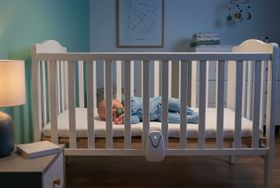
Night Terror Symptoms in Toddlers
Does your child suffer from night terrors? If you’re looking to learn more about night terror symptoms in toddlers and how to treat them, you’ve come to the right place! We’ve put together a complete guide to help your little one sleep easy.


Published July 8, 2025

AI Summary


Night Terror Symptoms in Toddlers
Quick definition: Night terrors are sudden episodes of intense fear that occur during deep, non‑REM sleep, causing toddlers to scream, thrash, or sit up while still asleep. Unlike nightmares, children usually have no memory of the event.
Table of Contents
What Are Night Terrors?
Night terrors are a type of parasomnia that happens during the deepest stage of non‑REM sleep. They differ from nightmares because your child stays asleep even while crying or moving around.
Most toddlers eventually outgrow night terrors. If the episodes are frequent or severe, consult a pediatric sleep specialist for tailored guidance.
Why Do Night Terrors Happen?
Episodes usually strike two to three hours after bedtime, right as the brain shifts from deep to lighter sleep. If the central nervous system misfires during this transition, the body’s stress response activates while the brain remains in deep sleep.
- Family history of sleepwalking or other parasomnias
- Overtiredness or irregular bedtimes
- Fever or illness that lengthens deep sleep
- Noises, full bladder, or sudden temperature changes
Night Terror Symptoms in Toddlers
During an episode, you might notice one or more of these signs:
- Sitting bolt upright in bed
- Screaming, crying, or shouting
- Thrashing arms and legs
- Fast breathing and racing heart
- Profuse sweating
- Wide‑open, glassy eyes with no recognition of caregivers
- Attempting to climb out of bed or sleepwalk
- Confusion or tears after waking
Most episodes last less than 15 minutes, though some children experience multiple events in one night. Keeping a sleep diary can help you track patterns.
Potential Complications
Night terrors rarely signal a serious medical condition, but frequent events can disrupt healthy sleep. Persistent sleep loss may lead to daytime irritability, anxiety, and poor concentration.
Watch for red flags such as breathing pauses or snoring that could point to sleep apnoea. In that case, speak with your pediatrician and consider using a baby breathing monitor for extra peace of mind.
How to Help Your Child
- Set a calming bedtime routine. Aim for lights out at the same time every night, followed by a soothing story or lullaby.
- Create a sleep‑friendly space. Keep the room cool, dark, and quiet. A video baby monitor lets you observe without disturbing your child.
- Prioritize adequate sleep. Use our sleep calculator to confirm your toddler is getting the recommended hours.
- Limit screen time and sugar before bed. Both can make it harder for children to settle.
- Stay calm during an episode. Gently guide your child back to bed if needed but avoid trying to wake them.
- Consult a doctor when episodes are frequent. A specialist may suggest a brief scheduled awakening or other strategies.
When to See a Doctor
Contact your pediatrician if night terrors:
- Occur nightly for more than two weeks
- Lead to dangerous sleepwalking or injuries
- Cause excessive daytime fatigue or mood changes
- Include breathing difficulties or other concerning symptoms
FAQs
Are night terrors dangerous for my child?
Night terrors look alarming, but they are generally harmless. Safety checks - like removing sharp objects - help prevent injuries during an episode.
What triggers night terrors in toddlers?
Common triggers include overtiredness, illness, medication, sudden noises, and stress.
At what age will night terrors subside?
Most children outgrow night terrors by puberty, with the peak period between ages two and four.
Should I wake my child if they are sleepwalking?
No. Gently redirect them to bed without waking. Sudden awakening can increase confusion and agitation.
Last reviewed on June 27, 2025. Content is for informational purposes and does not substitute medical advice. Always consult a qualified healthcare professional for personalized guidance.