Sleep Apnea in Babies: 5 Critical Red Flags Every Parent Must Know
Sleep apnea in babies involves repeated breathing pauses during sleep and is most common in premature infants. There is no single cause, but the five key signs include breathing pauses, persistent snoring, color changes, feeding fatigue, and frequent gasping, all of which warrant a pediatric review.






Updated March 24, 2026
AI Summary


There are few things more unsettling than watching your baby sleep and noticing something that doesn't look quite right. Maybe their breathing seems to stop for a moment, or they make an unusual sound, or they wake up gasping. In those moments, it is completely natural to feel scared and unsure of what to do.
Sleep apnea in babies is something many parents have never heard of, and the good news is that understanding what to look for makes a real difference. In this post, we will walk you through what sleep apnea in babies actually is, why it happens, and the five signs that every parent should know.
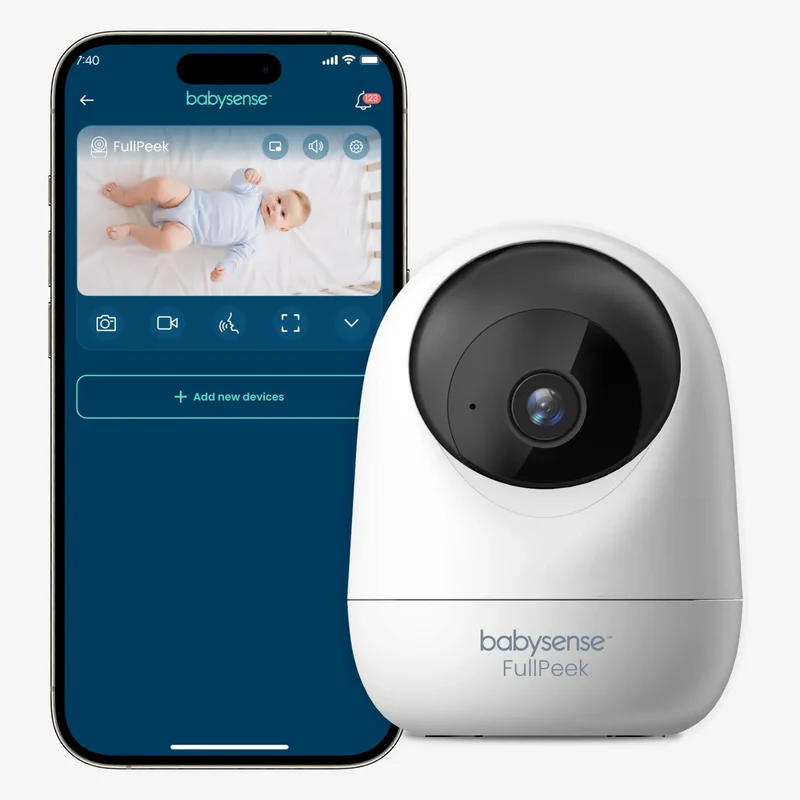
Keep an Eye on Your Baby at Night
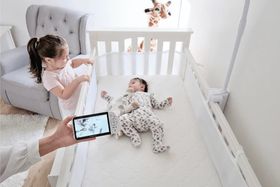
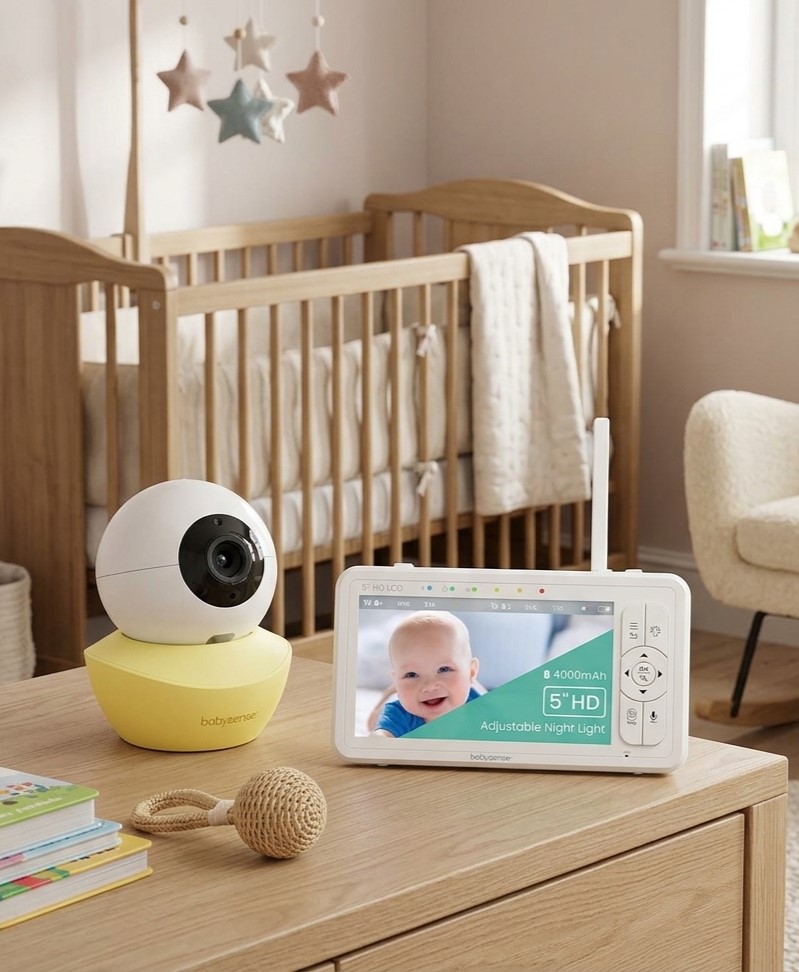
You can't be in the room every minute, but with the Babysense video monitor, you don't need to be.
What Is Sleep Apnea in Babies, and Why Does It Happen?
Sleep apnea in babies means that your little one's breathing pauses repeatedly during sleep. These pauses can happen for two main reasons [1]:
The brain temporarily forgets to send the signal to breathe. This is called central apnea (when the brain does not trigger the breathing reflex).
The second is that something is partially blocking the airway, even while the baby is still trying to breathe. This is called obstructive apnea.
In babies, a pause is cause for concern when it lasts 20 seconds or more, or when a shorter pause is accompanied by a drop in heart rate or oxygen levels.
Which Babies Are Most at Risk for Sleep Apnea?
Premature babies are the most vulnerable. Apnea of prematurity affects most babies born before 34 weeks, and up to 85% of those born before 28 weeks. Their brainstems (the part of the brain that controls the breathing rhythm) are simply not fully developed yet [2].
Babies who sleep in too cushioned spots are also at risk. Parents must follow safe sleep guidelines, especially before the baby reaches the 6-month milestone. In full-term babies, sleep apnea is less common but does still happen, particularly in babies with [3]:
- Down syndrome, where differences in muscle tone and airway shape mean sleep apnea is significantly more common.
- A small jaw or narrow airway.
- Low muscle tone (hypotonia), which makes the airway more likely to soften and collapse during sleep.
- Laryngomalacia (softness of the tissue above the voice box that can cause noisy breathing).
What Makes Sleep Apnea Worse in Babies
Some things in your baby's environment can make breathing during sleep harder. The good news is that these are all things you can control:
- Secondhand smoke, which causes inflammation in the airways and raises the risk of breathing problems during sleep.
- Soft bedding in the sleep space.
- Placing your baby to sleep on their tummy.
- Inclined or propped sleep surfaces.
5 Signs of Sleep Apnea in Babies Every Parent Should Know
Sign 1: Breathing Pauses That Last 20 Seconds or Longer
When breathing stops for 20 seconds or more, it means the body's normal breathing signals have either temporarily switched off or the airway has become blocked.
In central apnea, the brainstem (the part of the brain that controls automatic functions like breathing) simply does not send the signal.
In obstructive apnea, you might notice the chest still moving, but no air is getting through.
How does a breathing pause affect the baby?
Repeated drops in oxygen during these pauses have been linked to neurodevelopmental vulnerability in newborns (risks to how the brain develops during a critical early window). They can also affect how well your baby feeds and gains weight over time [6].
What you can do
Always place your baby on their back on a firm, flat surface with no soft bedding, following safe sleep training guidance.
Babies with prematurity or known airway differences should have regular check-ups rather than home monitoring alone.
If you see a pause of 20 seconds or more, and your baby turns blue, goes limp, is hard to wake, or needs you to stimulate them to start breathing again, call for emergency help straight away. Do not wait to see if it happens again.
Sign 2: Persistent Snoring or Noisy Breathing
Snoring in babies happens when the airway narrows during sleep, and air has to push through a tighter space than normal. During sleep, muscle tone (the natural firmness that keeps the throat open) drops, and in some babies, this allows the soft tissue in the throat to partially collapse inward.
This is an early sign of upper airway resistance (when the airway is narrower than it should be), which can progress to fuller obstruction [7].
How does snoring or noisy breathing affect the baby?
When a baby works harder to breathe through a narrowed airway all night, it interrupts sleep quality and can affect growth.
Paediatric OSA (obstructive sleep apnea) has been associated with behavioural and cognitive effects in children, and catching airway issues early gives you the best chance of getting ahead of them [9].
What you can do
Keeping your home completely smoke-free is one of the most impactful things you can do, as tobacco smoke exposure worsens airway inflammation.
If your baby also has frequent nasal congestion (a blocked nose), it is worth mentioning to your doctor, as this can add to the resistance during sleep.
If snoring is accompanied by retractions (you can see the skin pulling in around the ribs or at the neck with each breath), gasping, or your baby seems to be working hard just to breathe, get it checked immediately.
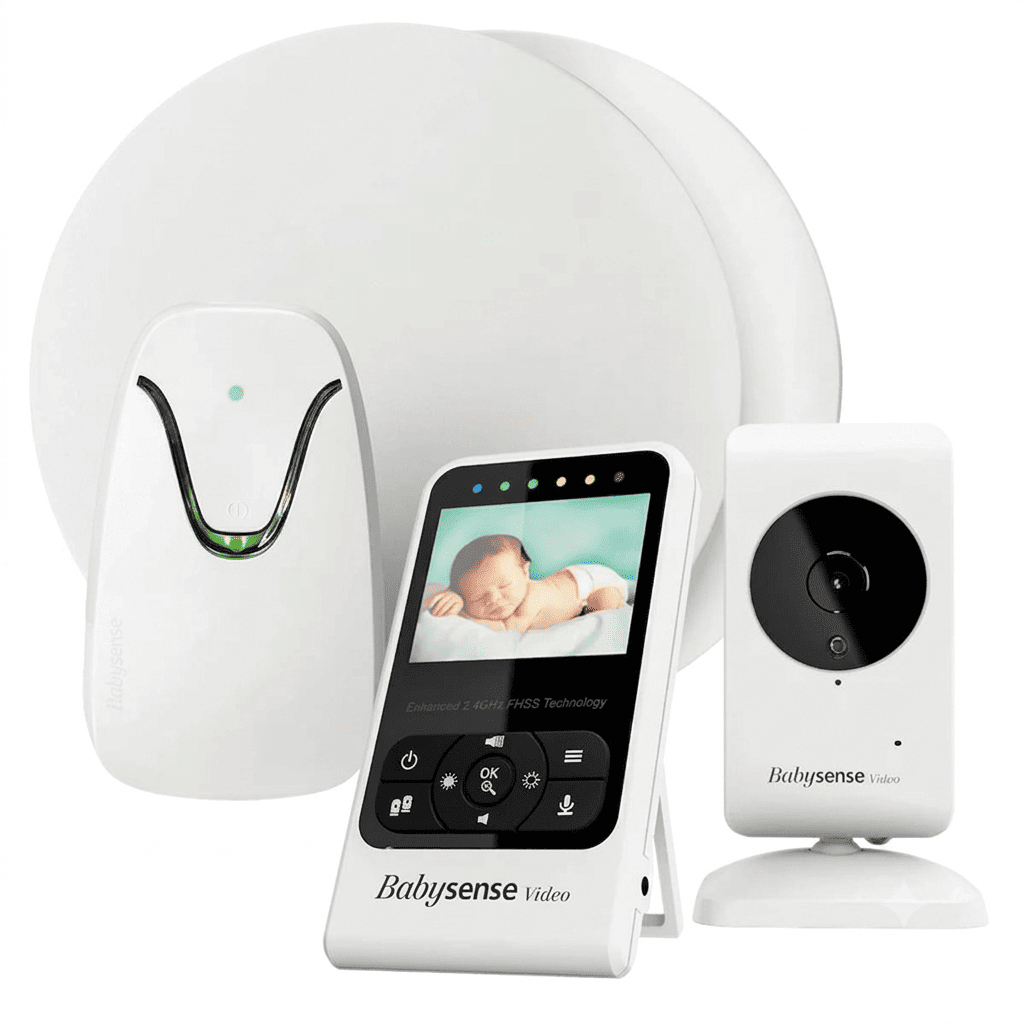
Hear Every Breath
Persistent snoring and unusual breathing sounds are easy to miss when you are not in the room. The Babysense monitor's:
High-sensitivity audio picks up snoring, noisy breathing, and gasping sounds the moment they happen
Real-time HD video lets you see your baby's chest movement and check for retractions without stepping into the room
Infrared night vision gives you a crystal-clear picture even in complete darkness
Sign 3: A Color Change During Baby's Sleep
A bluish tinge around the lips or fingertips, called cyanosis (when oxygen levels in the blood drop low enough to change the color of the skin), is one of the more alarming signs a parent can notice.
During an apnea event, when airflow stops or is severely reduced, oxygen saturation (the percentage of oxygen in the blood) falls, and this color change is the visible result.
In premature babies with apnea of prematurity, desaturation (drops in blood oxygen) events are common and are closely monitored in the hospital. In healthy full-term babies, color changes during sleep are not normal and should always be evaluated.
How does low oxygen affect the baby?
Repeated oxygen dips place stress on the developing brain and heart at a time when both are growing rapidly. This is not something to watch and wait on.
What you can do
Make sure your baby sleeps on their back on a firm, flat surface and avoid overheating (a room that is too warm can worsen breathing instability).
If your baby has had any colour change during sleep, this needs a medical review rather than home monitoring.
If your baby turns blue, especially around the lips, and does not return to normal color quickly on their own, this is an emergency. Call for help right away.
Sign 4: Feeding Fatigue or Poor Weight Gain
This one catches many parents off guard because it happens during the day, not during sleep. But what happens at night has a direct effect on how your baby feeds.
Babies with the airway repeatedly blocked during sleep use a lot of energy just keeping their airway open through the night. All those disruptions mean less time in deep sleep, and deep sleep is when growth hormone is released. The result is a tired baby who has less stamina for feeds and, over time, may not be gaining weight as expected.
How does poor weight and fatigue affect the baby?
Some babies with airway difficulties also struggle during the feeds themselves, tiring quickly, taking in less volume, and not maintaining a healthy growth curve as a result.
What you can do
Keep track of how your baby feeds and how their weight is progressing. Growth is one of the clearest signals of how well your baby is coping overall, and your paediatric team will want to know if something seems off.
If your baby's weight is dropping below the expected range on their growth chart, or if feeding fatigue comes alongside visible breathing difficulty, this needs prompt investigation.
Sign 5: Frequent Night Waking With Gasping
Gasping during sleep happens when the airway has partially or fully closed, and the body's arousal response (the reflex that wakes a baby enough to restore normal breathing) kicks in to reopen it.
Pressure builds up in the chest until your baby rouses, tone returns to the throat muscles, and breathing restarts. This cycle of obstruction, arousal, and gasping is one of the defining patterns of obstructive sleep apnea.
How does frequent nightwaking affect the baby?
Fragmented sleep (sleep that is repeatedly broken up) affects far more than just how rested your baby feels. Research links disrupted sleep in early childhood to cognitive and behavioural development, and these effects are a real concern when patterns begin in infancy [12].
What you can do
Notice whether the gasping is a one-off or something you are seeing regularly. If you are consistently noticing your baby waking with a gasp, especially if it follows a quiet pause, that pattern deserves a conversation with your doctor.
If gasping episodes come alongside prolonged pauses, color changes, or difficulty rousing your baby, seek urgent care. Consistent gasping on its own still needs a paediatric evaluation and possible referral for a sleep study.
How a Baby Monitor Can Help Babies with Sleep Apnea
A baby monitor will not diagnose or prevent sleep apnea, and it is important to be honest about that. But being able to see and hear what is happening while your baby sleeps can help you notice things earlier and respond faster when it matters.
The features that are most useful in this situation are:
- Clear night vision so you can see chest movement and skin colour in a dark room.
- Sensitive audio to pick up breathing sounds and gasping.
- Room temperature monitoring since overheating can worsen breathing problems in vulnerable babies.
The Babysense smart nursery monitors bring all of this together, giving you a much clearer picture of what is happening while your baby sleeps.
Does Your Baby Have Sleep Apnea?
Take advantage of Babysense's hack-proof non-WiFi video monitors for total peace of mind.
Avoid Nighttime Baby Hassles
If any of these signs sound familiar, you need to trust your instincts and bring them up with your paediatrician. You don't need to wait until something frightening happens to have the conversation.
A definitive diagnosis of sleep apnea requires a polysomnography (a sleep study that measures airflow, breathing effort, oxygen levels, and carbon dioxide all at once). Your doctor can refer you if they feel it is needed.
In the meantime, keeping your baby's sleep environment safe, reducing the external risk factors you can control, and knowing what to look for puts you in the best possible position.
References
1. Sleep apnea. (2025, November 28). Cleveland Clinic. https://my.clevelandclinic.org/health/diseases/8718-sleep-apnea
2. Martin, R. J., Mitchell, L. J., & MacFarlane, P. M. (2022). Apnea of prematurity and sudden infant death syndrome. Handbook of Clinical Neurology, 189, 43–52. https://doi.org/10.1016/b978-0-323-91532-8.00010-0
3. Goffinski, A., Stanley, M. A., Shepherd, N., Duvall, N., Jenkinson, S. B., Davis, C., Bull, M. J., & Roper, R. J. (2015). Obstructive sleep apnea in young infants with Down Syndrome evaluated in a Down Syndrome specialty clinic. American Journal of Medical Genetics Part A, 167(2), 324–330. https://doi.org/10.1002/ajmg.a.36903
4. Gipson, K., Lu, M., & Kinane, T. B. (2019). Sleep-Disordered breathing in children. Pediatrics in Review, 40(1), 3–13. https://doi.org/10.1542/pir.2018-0142
5. Apnea of prematurity. (n.d.). Nemours KidsHealth. https://kidshealth.org/en/parents/aop.html
6. Rantakari, K., Rinta-Koski, O., Metsäranta, M., Hollmén, J., Särkkä, S., Rahkonen, P., Lano, A., Lauronen, L., Nevalainen, P., Leskinen, M. J., & Andersson, S. (2021). Early oxygen levels contribute to brain injury in extremely preterm infants. Pediatric Research, 90(1), 131–139. https://doi.org/10.1038/s41390-021-01460-3
7. Pediatric obstructive sleep apnea - Symptoms and causes. (n.d.). Mayo Clinic. https://www.mayoclinic.org/diseases-conditions/pediatric-sleep-apnea/symptoms-causes/syc-20376196
8. Beebe, D. W., Rausch, J., Byars, K. C., Lanphear, B., & Yolton, K. (2012). Persistent snoring in preschool children: Predictors and behavioral and developmental correlates. PEDIATRICS, 130(3), 382–389. https://doi.org/10.1542/peds.2012-0045
9. Trosman, I., & Trosman, S. J. (2017). Cognitive and behavioral consequences of sleep disordered breathing in children. Medical Sciences, 5(4), 30. https://doi.org/10.3390/medsci5040030
10. Rantakari, K., Rinta-Koski, O., Metsäranta, M., Hollmén, J., Särkkä, S., Rahkonen, P., Lano, A., Lauronen, L., Nevalainen, P., Leskinen, M. J., & Andersson, S. (2021). Early oxygen levels contribute to brain injury in extremely preterm infants. Pediatric Research, 90(1), 131–139. https://doi.org/10.1038/s41390-021-01460-3
11. Katz, E. S., & D’Ambrosio, C. M. (2008). Pathophysiology of Pediatric Obstructive sleep apnea. Proceedings of the American Thoracic Society, 5(2), 253–262. https://doi.org/10.1513/pats.200707-111mg
12. Huhdanpää, H., Morales-Muñoz, I., Aronen, E. T., Pölkki, P., Saarenpää-Heikkilä, O., Paunio, T., Kylliäinen, A., & Paavonen, E. J. (2019). Sleep Difficulties in Infancy Are Associated with Symptoms of Inattention and Hyperactivity at the Age of 5 Years: A Longitudinal Study. Journal of Developmental & Behavioral Pediatrics, 40(6), 432–440. https://doi.org/10.1097/dbp.0000000000000684
FAQs
Can babies have sleep apnea?
Yes. Sleep apnea in babies can be central, obstructive, or mixed. Premature babies are at highest risk, but it can also occur in full-term infants, particularly those with airway differences, Down syndrome, or low muscle tone.
What are the signs of sleep apnea in newborns?
The main signs are breathing pauses of 20 seconds or more, persistent snoring or noisy breathing, color changes around the lips or fingertips, feeding fatigue and poor weight gain, and frequent waking with gasping. Any of these, especially in combination, warrant a pediatric review.
Is sleep apnea in babies dangerous?
It can be. Repeated drops in oxygen during a critical period of brain development raise concern for neurodevelopmental impact. Prompt evaluation and treatment make a significant difference in outcomes.
How do I know if my baby has sleep apnea?
A definitive diagnosis requires a sleep study (polysomnography). If you are concerned, document what you are observing including duration, frequency, and any associated symptoms, and bring this to your pediatrician.
Are breathing pauses normal in babies?
Very brief pauses under 10 seconds without any color change are a normal part of periodic breathing in young babies. Pauses of 20 seconds or more, or shorter pauses with a color change or heart rate drop, are not normal and need evaluation.
When is sleep apnea an emergency?
Seek emergency care immediately if your baby turns blue, becomes limp, is difficult to rouse, or needs stimulation to start breathing again.