Baby Night Light & Sound Machine: The Quest for Better Baby Sleep
Discover how white noise, pink noise, and gentle night lighting can help your baby sleep better, reduce night wakings, and create a calming bedtime routine.


Updated April 22, 2024
AI Summary


Parenthood comes with many joys, but sleep deprivation isn’t one of them. If your newborn or toddler wakes frequently, a combination of soothing sounds and gentle night lighting can work wonders. From white noise to soft blue light, the right sensory environment helps signal your baby that it’s time to rest — and gives you a better night’s sleep too.
Why Sound & Light Matter for Baby Sleep
Sound machines can mask disruptive household noises and create a womb-like environment, while night lights prevent startling awakenings and provide comfort during the dark hours. The right combination can help regulate sleep cycles, reduce night wakings, and make bedtime smoother.
For evidence-based foundations on safe sleep, see the NIH Safe to Sleep® campaign and the American Academy of Pediatrics (AAP) guidance.
Understanding Sleep Sounds
- White Noise: Constant, fan-like hum that blocks outside sounds. Excellent for newborns adapting to the outside world.
- Pink Noise: Softer and deeper, like rainfall or ocean waves. Often used for older babies and toddlers for its calming, rhythmic quality.
- Brown Noise: Deep, low-frequency sound like a waterfall or rumbling wind. Good for fussy sleepers sensitive to higher-pitched tones.
- Ambient Sounds: Familiar household noises (ticking clock, gentle washer hum) that can offer a sense of security.
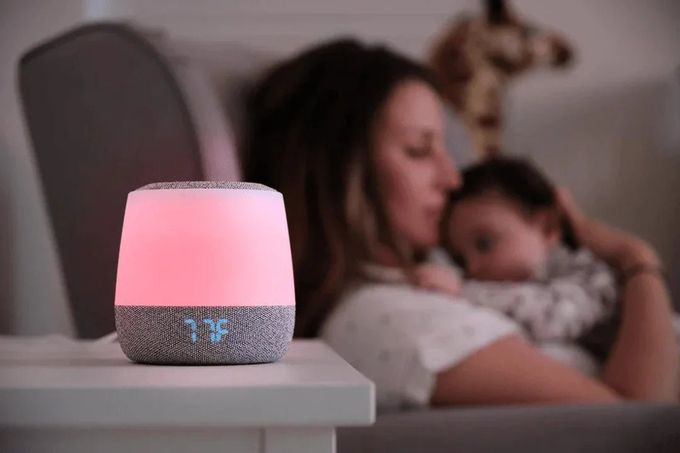
Featured Product: Babysense Sound & Light Machine
Combines white, pink, and brown noise with adjustable night-light colors, timers, and app control—ideal for consistent, hands-off routines.
Sleep Sound & Light Comparison
Type | Best For | Sound Example | Light Pairing | Pro Tip |
|---|---|---|---|---|
White Noise | Newborns & light sleepers | Fan, static, hairdryer | Soft blue or dim yellow | Use during naps and bedtime for consistent sleep cues. |
Pink Noise | Older babies & toddlers | Rainfall, ocean waves | Warm amber | Often preferred for deeper, more restorative sleep. |
Brown Noise | Fussy sleepers & colicky babies | Waterfall, deep wind | Soft yellow | Try when higher-pitched options aren’t calming your baby. |
Ambient Sounds | Babies who prefer familiarity | Ticking clock, distant hum | Very dim light or no light | Useful for gradual sound weaning. |
Light Choices for Baby Sleep
- Soft Blue Light: Calming, may reduce bedtime anxiety and aid relaxation.
- Dim Yellow/Amber Light: Mimics sunset, which supports natural melatonin rhythms.
- Avoid Bright White Light: Can disrupt circadian rhythm and suppress melatonin.
Safety Tips for Sound & Light Use
- Keep sound under ~50 dB (about a soft shower). More on hearing protection from NIH NIDCD.
- Place the machine several feet from the crib—never inside it. Some devices can reach hazardous levels if too close; see the AAP sleep machine study.
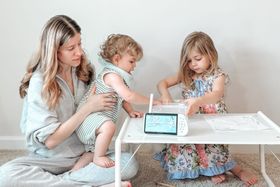
- Use a monitor with built-in white noise for convenience during travel or naps.
- Anchor your approach in safe-sleep basics: NIH Safe to Sleep® & CDC overview.
Creating a Light & Sound Sleep Routine
- Dim lights 30 minutes before bedtime.
- Turn on your chosen sleep sound during wind-down activities like reading or cuddling.
- Keep the same sound and light settings nightly for strong sleep associations.
FAQs
Is white noise safe for babies?
Yes—when used at a gentle level and placed several feet away, for sleep times only. Review the AAP’s findings on infant sleep machines and general noise guidance: study • policy statement.
Which color light is best at bedtime?
Warm, dim amber/yellow often works best. Avoid bright white light at night, which can suppress melatonin. See our guides on sleep-friendly colors and night-light do’s & don’ts.
How loud should the sound machine be?
Aim below ~50 dB and use the lowest effective volume. If you need to raise your voice near the crib, it’s likely too loud. Learn more from NIH NIDCD.
When should we wean off sound or night lights?
There’s no single “right” age. Many families keep gentle sound through the toddler years and taper as sleep matures. Lights can remain if they’re dim and not stimulating.
Final Thoughts
Whether it’s the gentle hum of white noise or the warm glow of a soft night light, the right sensory setup can make bedtime calmer for both you and your baby. Experiment with combinations, stay consistent, and adjust as your child grows—your perfect sleep solution might just be a click away.