5 Best HSA/FSA-Eligible Breathing Motion Monitors
Make the most of your tax-advantaged healthcare funds with one of these five HSA- and FSA-eligible baby breathing motion monitors. Ranging from pads and wearables to camera-based systems, there’s an option for every family.






Updated October 1, 2026
AI Summary


If you have an HSA or FSA account, you're probably used to spending it on prescriptions and doctor visits. But depending on your plan and your baby's medical history, a baby breathing movement monitor may also qualify [1].
In this post, our experts explain how HSA and FSA eligibility works for breathing movement monitors, what to look for when choosing one, and five of the best options available right now.
Overview of the 5 Best HSA/FSA-Eligible Breathing Motion Monitors
Babysense 7
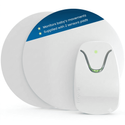
The Babysense 7 is our top choice for effortless non-contact breathing movement monitoring, with dual under-mattress sensor pads and instant alerts.
Babysense 8
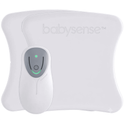
The Babysense 8 improves on the design of the Babysense 7 to provide ultra-thin non-contact sensor pads to discretely and reliably monitor your baby’s breathing movements.
Sense-U Pro
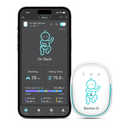
The Sense-U Pro is a compact wearable clip that attaches to your baby's diaper and monitors abdominal movement without any cords, pads, or Wi-Fi.
Show more
How HSA/FSA-Eligibility Works for Baby Monitors
HSA (Health Savings Account) and FSA (Flexible Spending Account) accounts let you pay for qualified medical expenses using pre-tax money. This means you keep more of what you earn compared to paying out of pocket from your regular income [2].
Baby breathing motion monitors sit in a gray area. They're considered potentially dual-purpose items, meaning they could be used for general parenting convenience or for genuine medical monitoring. Plan administrators need to be satisfied it's the latter before approving the expense.
When Are They More Likely to Be Approved?
Approval odds improve significantly if your baby has a documented medical history, including:
- Prematurity or NICU history
- A BRUE (Brief Resolved Unexplained Event)
- Breathing movement irregularities
- Chronic lung or respiratory conditions
Do You Need a Letter of Medical Necessity?
Many plan administrators require a Letter of Medical Necessity (LMN) from your pediatrician. If yours does, ask your doctor to include:
- Your baby's full name and date of birth
- The specific diagnosis or clinical concern with an ICD-10 code, if possible
- An explicit statement that the monitor is medically necessary
- The exact product name
- The expected duration of use
The stronger and more specific the letter, the better your chances of approval.
What to Look for in an HSA/FSA-Eligible Breathing Motion Monitor
Getting the most from your tax-advantaged funds means choosing a monitor that's going to work consistently well for your family's needs. It's not just a model that looks good on paper.
Keep an eye out for the following features:
- Reliable sensor detection: The monitor should maintain stable readings overnight without signal dropouts, even when your baby moves.
- Low false-alarm rate: False alarms are the biggest real-world complaint from parents. Look for monitors with smart movement filtering or dual confirmation systems.
- Clear alert system: You want loud local alarms, app notifications where available, and ideally a backup alert method.
- The right monitoring technology for your setup: Under-mattress pads work well for home use, but need a firm, flat surface. Wearables are more portable but can shift or cause discomfort. Camera-based systems are contact-free but depend on Wi-Fi and lighting.
- Ease of daily use: A monitor that's complicated to set up or constantly needs recalibrating is far from ideal during those early sleep-deprived months.
The 5 Best HSA/FSA-Eligible Breathing Movement Monitors
1

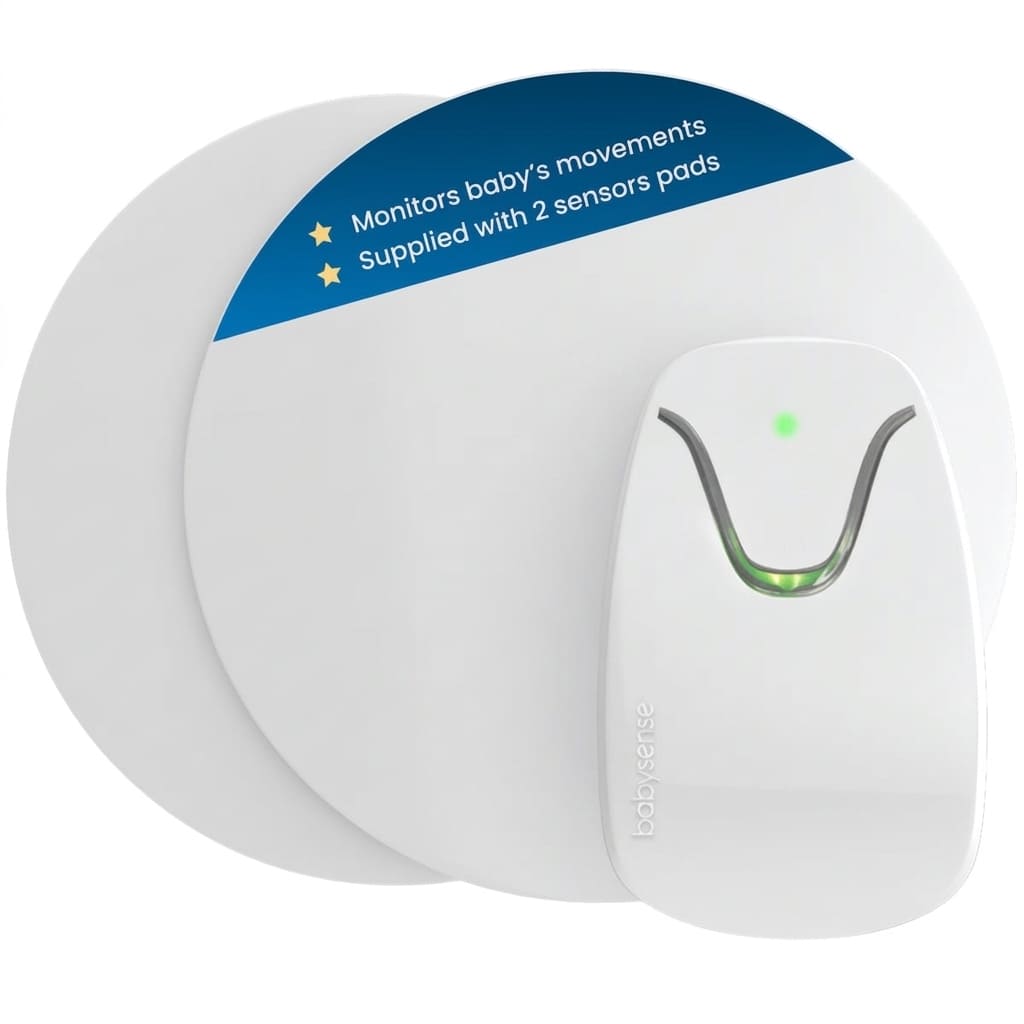
Babysense 7
Reliable breathing motion detection with no wearables, no Wi-Fi, and no fuss.
Connectivity
Non-Wi-Fi
Detection Type
Dual under-mattress sensor pads
Alert Threshold
20 seconds no movement
Why we chose it
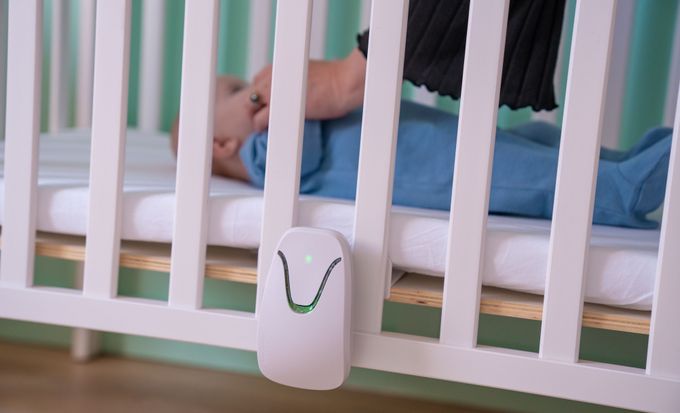
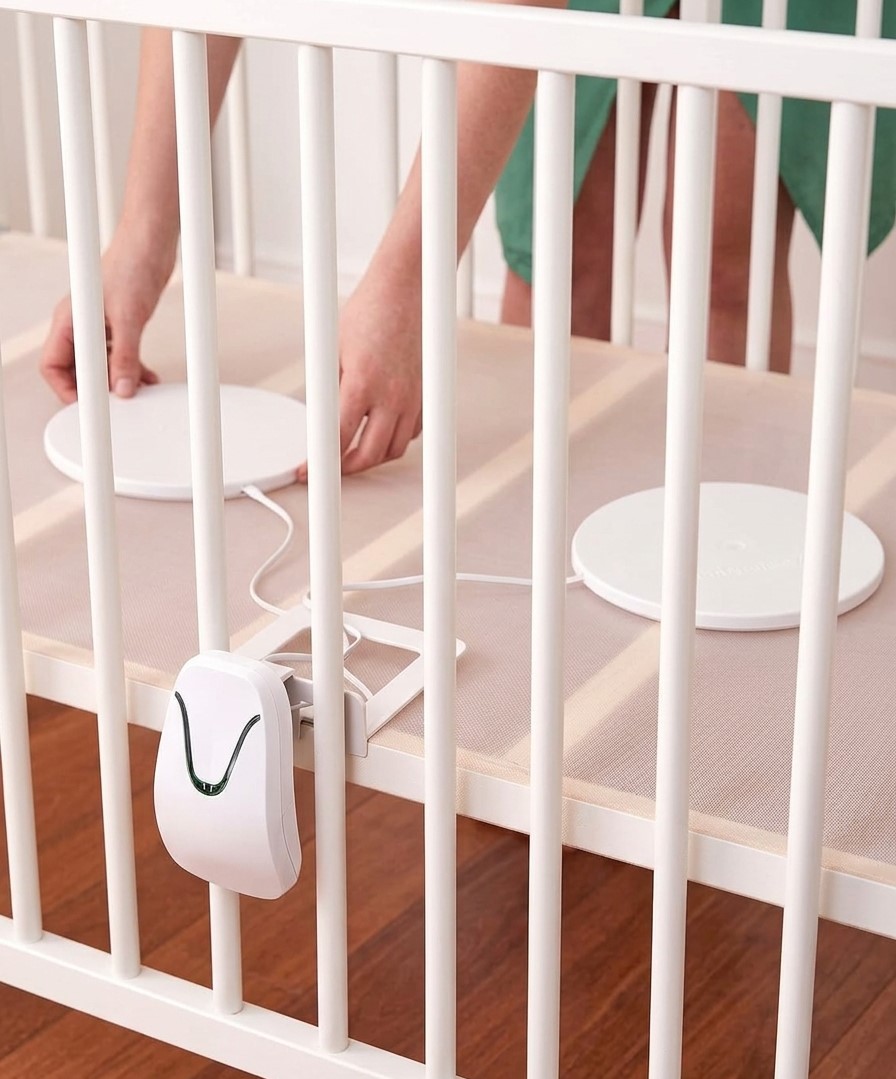
The Babysense 7 has two under-mattress sensor pads that cover the entire crib area. They continuously monitor your baby's breathing movements without anything touching your baby directly. The non-contact design makes installation hassle-free, removes the safety risk of wires, and means your baby isn’t bothered with a clip-on gadget.
Because it runs without Wi-Fi or internet, there's no cloud account to worry about and no network dependency. The monitor also has a simple, single-button control, is battery-operated, and has a fully portable design.
All this takes much of the effort out of setting up and using a breathing movement monitor, which can sometimes be a real pain point for parents.
Pros and cons
An affordable and HSA/FSA-eligible model
Dual sensor pads cover the full crib area
No wearables, no skin contact, no Wi-Fi required
20-second no-movement alert
Portable and suitable for travel
No video monitoring included
Sensor pads aren't ideal when used under thin mattresses
2
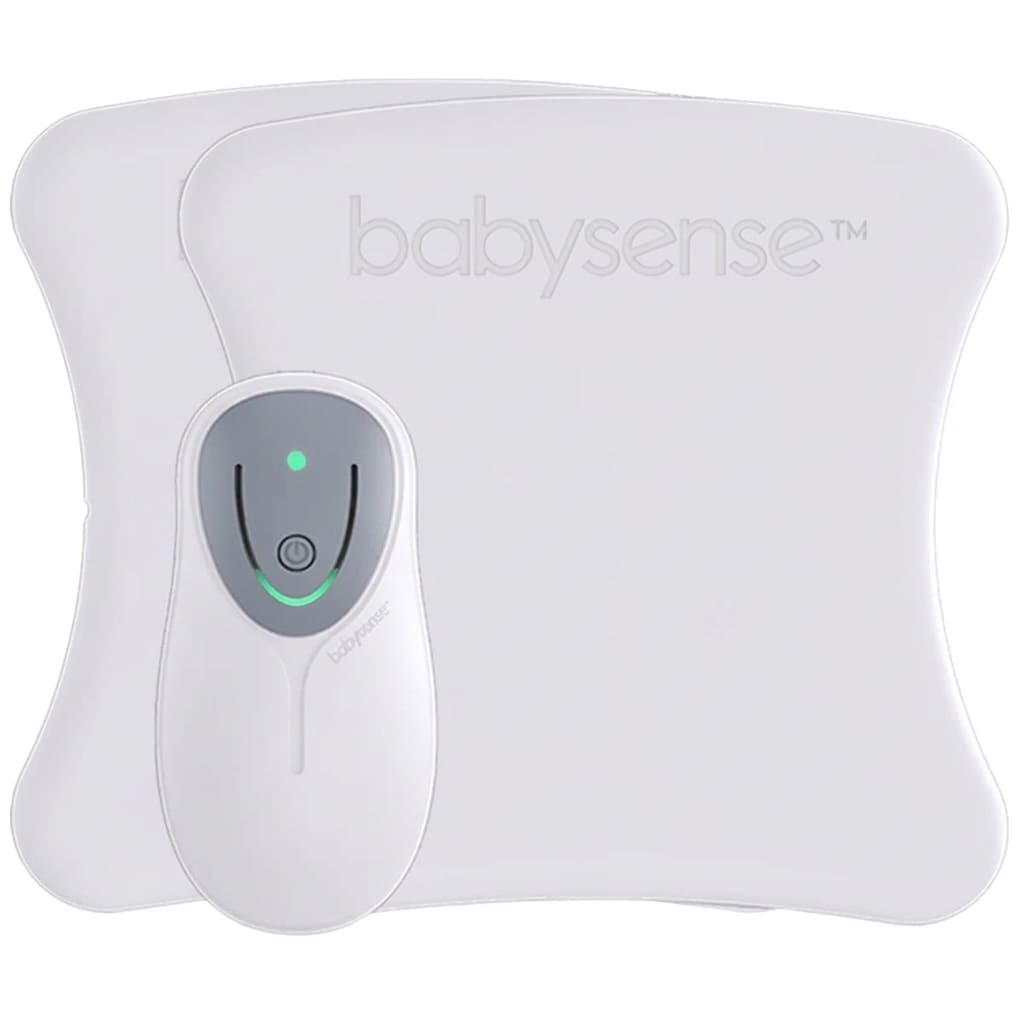
Babysense 8
Non-contact breathing motion monitoring that doesn't disturb your baby.
Connectivity
Non-Wi-Fi
Detection Type
Dual under-mattress sensor pads
Alert Threshold
20 seconds no movement
Why we chose it
The Babysense 8 is the latest edition in Babysense’s line of non-Wi-Fi breathing movement monitors. It functions just the same as the Babysense 7, with two non-contact sensors placed under your baby’s mattress. When movement isn’t detected for 20 seconds, it sends instant visual and auditory alerts.
What sets this model apart from its predecessor is the ergonomically enhanced sensor pads. Their ultra-thin design means they can be used with most types of mattresses (even very thin ones) with no unevenness or impact on the sleep surface. This maximizes your baby’s comfort, especially when compared to wearable alternatives.
The Babysense 8 is quick to install, simple to use, battery-operated, and easily portable. The only reason why we haven’t given it the number 1 position is that the Babysense 7 is more a bit more cost-effective for budget-conscious families.
Pros and cons
Non-contact, ultra-thin sensors maximize baby comfort
Continuous breathing motion detection with real-time alerts
Hassle-free installation and simple to use
Non-Wi-Fi connection is completely private
Slightly more expensive than the Babysense 7
No phone alerts or detailed app insights
3

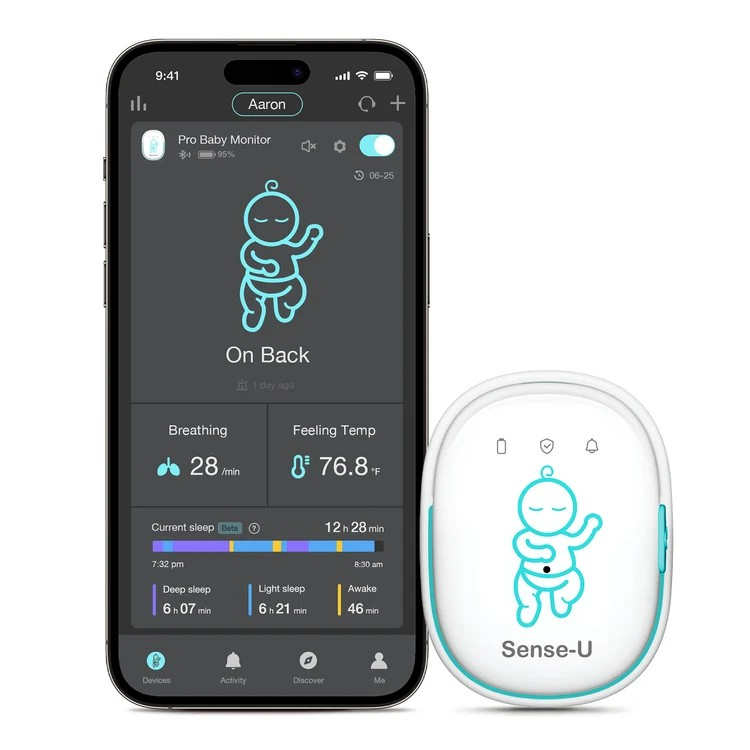
Sense-U Pro
Clip-on breathing motion detection that goes wherever your baby goes.
Connectivity
Bluetooth + App
Detection Type
Clip-on abdominal sensor
Alert Threshold
15 seconds vibration then 20 seconds audible alarm
Why we chose it
The Sense-U Pro is one of the simplest and most portable breathing movement monitors available. It clips directly onto your baby's diaper, and the movement-sensing technology detects abdominal movement.
It first sends a gentle vibration after 15 seconds of no movement to gently rouse the baby before sounding an alarm at 20 seconds. There’s also a light indicator that changes from green to red when alerted of no movement. Parents have the option of pairing the monitor to a smartphone app for alert notifications and free sleep analysis reports.
To aid in its portability, the monitor uses a rechargeable battery that can go up to seven days between charges. This easy mobility is a real advantage for parents who travel frequently or move their baby between a crib, bassinet, and travel cot.
Pros and cons
Completely portable and works in any sleep environment
Simple for anyone to set up and use
One of the more affordable options
Optional smartphone app offers in-depth sleep insights
Can fall off squirmy or active babies, triggering false alarms
Bluetooth connectivity is limited to around 50 ft
4

Babysense Connect
Dual under-mattress monitoring paired with smart analytics.
Connectivity
Wi-Fi + App
Detection Type
Dual under-mattress sensor pads
Alert Threshold
20 seconds no movement
Why we chose it
Like our first two picks, the Babysense Connect uses two highly sensitive sensors that you place under the mattress. The difference is that this model uses Wi-Fi and a smart app to provide a wealth of insights, in addition to the real-time breathing movement alerts.
The Connect is an excellent choice for tech-savvy parents looking for detailed insights into their baby’s sleep habits. The dedicated Babysense Smart Nursery app sends daily and weekly summaries to help you understand your baby's sleep behavior, identify patterns, and make decisions to improve their rest.
Pros and cons
Uses two sensor pads without cords or wearables
Advanced auto-sleep monitoring technology
Instant 20-second no-movement alerts
Dedicated app with detailed sleep analytics
Easy to share app access for multiple caregivers
Requires a stable Wi-Fi connection
Advanced features aren't necessary for all parents
5

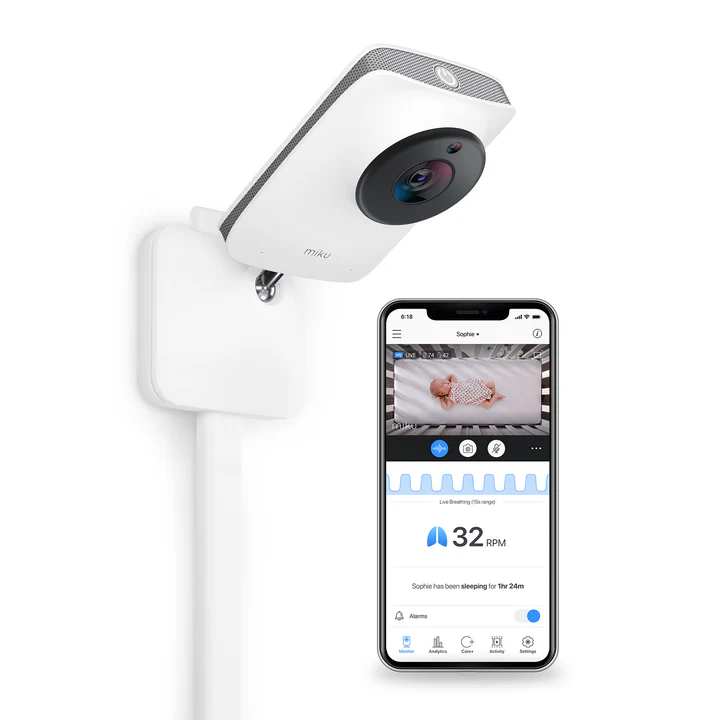
Miku Pro
No sock, no pad, no clip. Just a camera that tracks breathing from across the room.
Connectivity
Wi-Fi + App
Detection Type
Camera-based AI breathing tracking
Alert Threshold
Customizable in app
Why we chose it
The Miku Pro is another model that tracks breathing without anything touching your baby. But instead of sensor pads, it uses camera-based AI to visually monitor breathing patterns, movement, and sleep quality in real time, all from a wall-mounted camera.
Because it's app-based, you can customize all notification settings, including movement events, sounds, awake/asleep, and temperature. The Miko Pro’s camera offers a 1080p video feed, a wide field of view, pinch-to-zoom functionality, and two-way talk.
For parents who are uncomfortable with wearables or wires around their baby, the Miku Pro offers a different approach. Users consistently praise the image quality and the fact that the contactless design means your baby won't grow out of it.
Pros and cons
Completely contact-free, so nothing touches your baby
Suitable for children up to age 7
App provides detailed insights and summary reports
1080p camera with zoom and two-way talk
Advanced features require a Miku membership
Wall-mounted camera isn't portable
Find the Right Monitor and Breathe a Sigh of Relief
The best breathing movement monitor depends on your baby's specific needs, your nursery setup, and how you plan to use your HSA or FSA funds.
If your baby has a documented medical history and you want the strongest case for reimbursement, the Babysense 7 or the Babysense 8 are excellent choices. For parents who travel frequently, the Sense-U Pro is the most portable option.
Whatever you choose, speak to your pediatrician beforehand, ask about a Letter of Medical Necessity if your plan requires one, and check with your plan administrator to confirm eligibility before you buy.
Skip the Wearable
See how Babysense monitors breathing movements without anything attached to your baby.
References
1. O’Keefe, S. (2024, January 9). Smart Parenting: Save More with HSA and FSA Eligible Baby Items. https://www.withflex.com/blog/hsa-fsa-eligible-baby-items
2. Klunder, G. (2024, December 18). New Parents: Use your FSA/HSA dollars before year end. https://www.mlfed.com/posts/fsa-hsa-products/
FAQs
Are baby monitors FSA or HSA eligible?
It depends on your plan and your baby's medical history. Standard video monitors are generally not eligible. Breathing motion monitors with medical device certification have a stronger case, especially if your baby has a documented condition like prematurity, apnea, or a BRUE history. Always check with your plan administrator before purchasing.
Do I need a Letter of Medical Necessity?
Many plan administrators require one for breathing motion monitors. Ask your pediatrician to include your baby's diagnosis, an ICD-10 code if possible, the specific product name, and an explicit statement that the monitor is medically necessary rather than a general parenting convenience.
Can I get a baby monitor free through insurance?
In some cases, yes. If your baby has a documented medical need and your plan approves the claim, you may pay little or nothing out of pocket. Approval is more likely with a strong LMN and a clear medical history supporting the need for ongoing respiratory monitoring.
Can I use HSA or FSA funds on monitor accessories?
Replacement sensor pads and breathing bands that are essential to the monitor's function may qualify. Decorative cases, travel bags, extra nursery cameras, and aesthetic upgrades generally do not. Ask your pediatrician to mention any essential accessories in the LMN if you want to include them in your claim.
What should I do if my sensor triggers an alarm that seems false after moving to a full size crib?
If an alarm goes off and you believe it may be false, first check that the sensor pad is centered correctly beneath your baby's torso and that the mattress sits flush against the crib with no gaps or foam toppers. Then run the device's daily test to confirm it's operating correctly.
Once your baby starts actively moving or reaches 3 months old, refer to your user guide for instructions on using an additional sensor, as recommended for babies at this stage of development.
Is a breathing motion monitor enough to prevent SIDS?
No. No consumer breathing monitor has been proven to prevent SIDS. Monitors are helpful observation tools, but they don't replace safe sleep practices. Always place your baby on their back on a firm flat surface in a clear sleep space, and make sure anyone caring for your baby knows basic infant CPR.