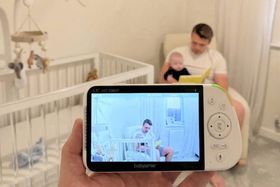
Babysense vs Nanit: Which Makes Monitoring Easier?
A brand-level comparison of Babysense and Nanit baby monitors, covering how each brand approaches connectivity, privacy, sleep analytics, and daily ease of use, and which type of family each one suits best.






Published July 3, 2026
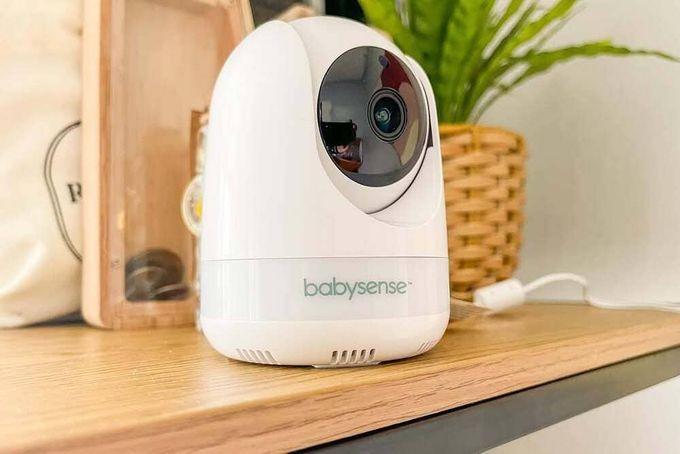
AI Summary


Choosing between Babysense and Nanit isn't just about deciding between the monitor with the most features. It's about finding the one that actually fits the way your household runs, who's watching the baby, where you are when you're watching, and how much privacy you want.
Babysense focuses on reliable, private monitoring with dedicated parent screens and non-Wi-Fi options built for simplicity. Nanit, on the other hand, builds a connected sleep-data ecosystem around app access, sleep analytics, and cloud-based insights.
This guide breaks down where each brand excels and falls short, and helps you decide on the best device for your family.
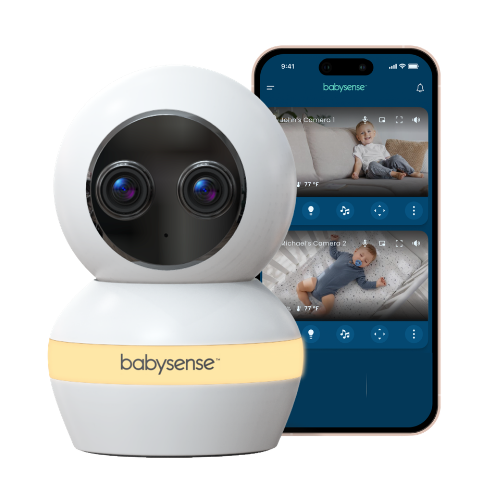
See the Full Babysense Range?
Browse the Babysense Video Monitor lineup and find the right fit for your nursery.
What Babysense and Nanit Have in Common
Even though they have different approaches, both of these baby monitors share a solid foundation with great features you need.
Feature | Babysense | Nanit |
|---|---|---|
Video Monitoring | ✓ | ✓ |
Night Vision | ✓ | ✓ |
Two-Way Audio | ✓ | ✓ |
Temperature Monitoring | ✓ | ✓ |
✓ | ✓ (with Breathing Wear) | |
Multi-Camera Support | ✓ | ✓ |
Sound Machine | ✓ | ✓ |
HSA/FSA Eligibility | ✓ on select products | ✓ on select products |
No Mandatory Subscription for Basic Use | ✓ | Optional |
Keep in mind that neither one of these devices is a medical diagnostic tool or a SIDS -prevention device. Both work best as an additional layer of awareness alongside safe sleep practices, not a replacement for them [1].
Detailed Overview: Babysense vs Nanit

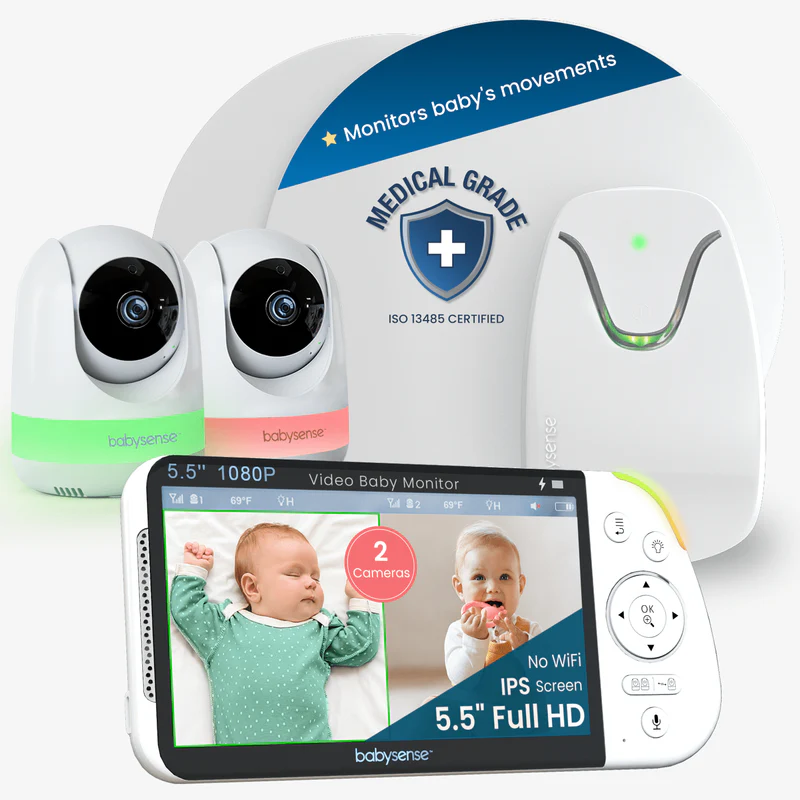
Babysense
Reliable monitoring that anyone can pick up and use.
Connectivity
Non-Wi-Fi, Wi-Fi, and hybrid options
Breathing Monitor Option
Under-mattress sensor pads, no wearables
Multi-Camera Support
Yes, up to 4 cameras
Subscription Required
No mandatory subscription

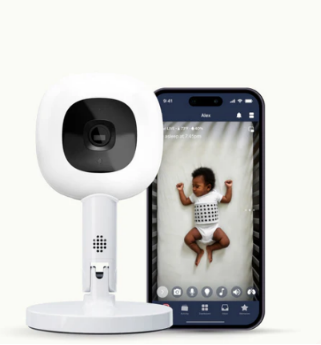
Nanit
A connected sleep ecosystem built around data and convenience.
Connectivity
Wi-Fi only
Breathing Monitor Option
Nanit Breathing Wear (wearable)
Multi-Camera Support
Yes, via app
Subscription Required
Optional (subscription unlocks full video history and advanced analytics)
Key Differences: Babysense vs Nanit
Feature | Babysense | Nanit |
|---|---|---|
Connectivity | Non-Wi-Fi, Wi-Fi, and hybrid options | Wi-Fi only |
Dedicated Parent Unit | ✓ | ✓ on select bundles |
App Required | Only on Wi-Fi models | Yes, for most features |
Remote Access | Yes, on Wi-Fi models | Yes |
Sleep Analytics | Limited, on select models | Extensive via Nanit Insights |
Breathing Monitoring Type | Under-mattress sensor pads | Breathing Wear (wearable) |
Subscription Required | No | Optional, but limits some features |
Privacy | Fully private on non-Wi-Fi models | Cloud-connected, encrypted |
Split-Screen Viewing | ✓ | ✓ via app |
Setup Complexity | Simple to moderate, depending on the model | Moderate to high |
Best For | Simple, private, caregiver-friendly monitoring | Connected, data-driven sleep insights |
Which Brand Makes Monitoring Easier for Your Family?
The right monitor depends on what is easier for your household.
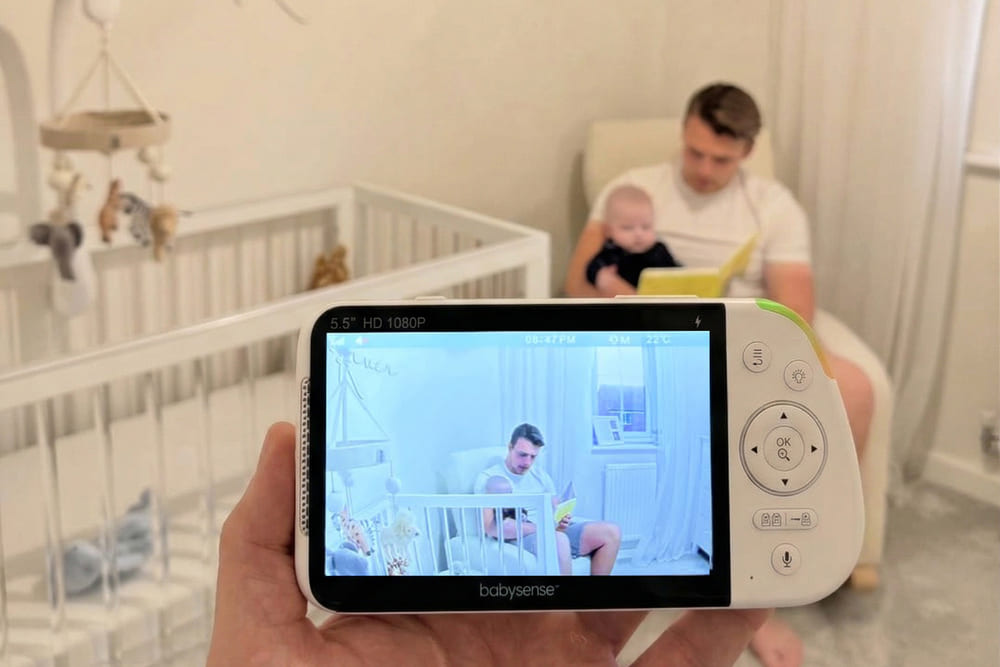
If easier means picking up a screen and having it just work, with no app, no router, and no explanation needed, Babysense is the simpler choice. It's especially well-suited to households with rotating caregivers, grandparents helping out, or if you want to keep your nursery feed completely off the internet.
If easier means having all your baby's sleep information in one place, being able to check in from work, and sharing access with your partner without handing over a physical device, Nanit makes that easier. It's the better fit for tech-comfortable parents who want data alongside their monitoring.
Browse the Full Range
Whichever direction you're leaning, the Babysense Video Monitor range has a model to match.
References
1. U of U Health Authors & Marketing and Communication. (2026, May 18). Are wearable baby monitors safe for sleep? a pediatrician explains. University of Utah Health | University of Utah Health. https://healthcare.utah.edu/healthfeed/2026/05/are-wearable-baby-monitors-safe-sleep-pediatrician-explains
FAQs
Is Babysense or Nanit better for privacy?
Babysense non-Wi-Fi models are the stronger privacy choice, as they operate on a completely closed FHSS connection with no cloud storage and no app involved. Nanit uses encrypted cloud-connected servers, which is secure but does route your baby's video feed through the internet.
Does Nanit require a subscription?
Nanit's core features are available without a subscription, but video history, deeper sleep analytics, caregiver access, and memory features vary by plan. The full Nanit Insights experience requires a paid annual plan.
Which is easier to set up, Babysense or Nanit?
Babysense non-Wi-Fi models are generally simpler to set up, closer to plug-and-play. Nanit setup involves connecting to Wi-Fi, pairing the app, setting permissions, and sometimes managing firmware updates, which can take more time on the first day.