

Babysense vs Owlet: Which Is Best for Sleep Tracking and Alerts?
A brand-level comparison of Babysense and Owlet baby monitors, covering how each brand approaches movement monitoring versus physiological tracking, privacy, alerts, and long-term scalability, and which type of family each one suits best.






Published July 3, 2026
AI Summary


Babysense and Owlet often come up in the same conversation, but they're actually built to answer two separate parts of baby monitoring.
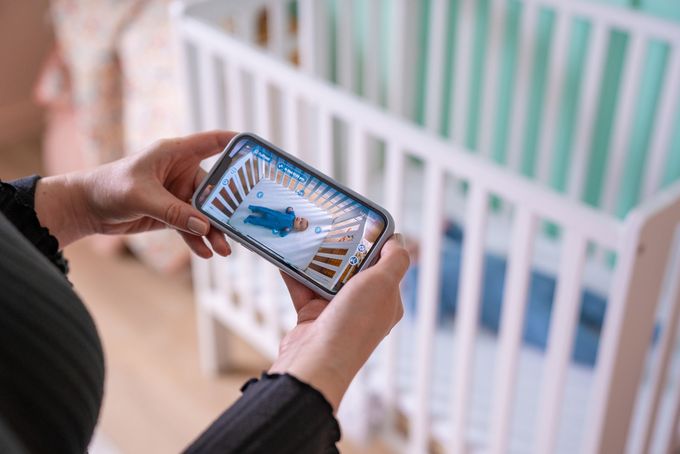
Babysense focuses on monitoring what's happening around your baby, movement, sound, and the sleep environment. Owlet focuses on what's happening inside your baby, tracking oxygen saturation and pulse rate through a wearable sock.
Understanding that difference matters more than comparing spec sheets. This guide breaks down how each brand approaches sleep tracking and alerts, what the trade-offs look like in daily life, and which one fits your family's monitoring style best.
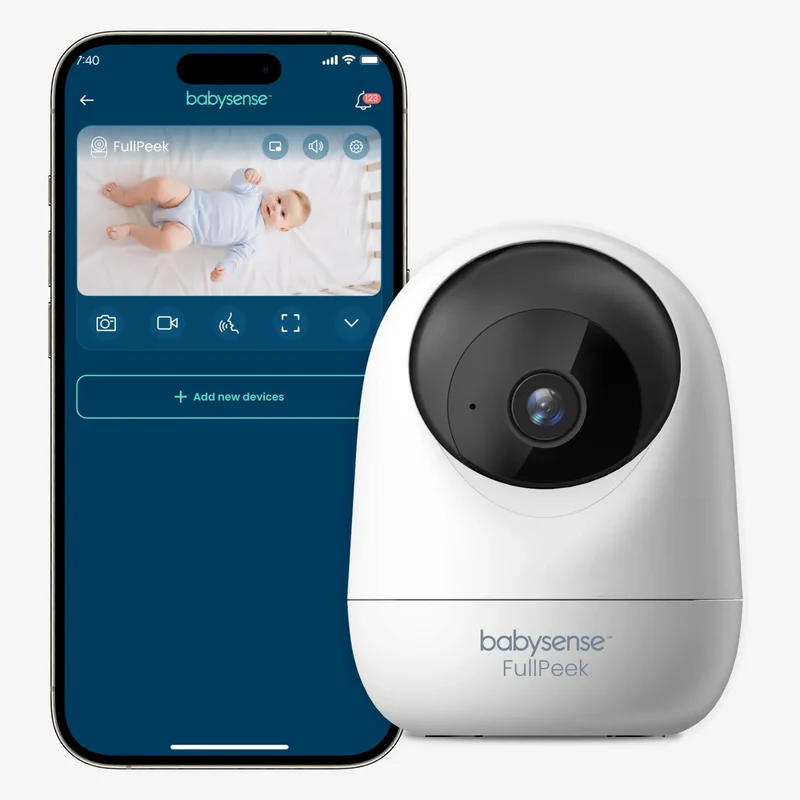
Browse the Babysense Video Monitor Range
See how Babysense approaches movement and sleep monitoring and find the right fit for your nursery.
What Babysense and Owlet Have in Common
Despite their different approaches, both brands share some core monitoring features.
Feature | Babysense | Owlet |
|---|---|---|
HD Video Monitoring | ✓ | ✓ |
Night Vision | ✓ | ✓ |
Two-Way Audio | ✓ | ✓ |
App Connectivity | ✓ on select models | ✓ |
Sleep Trend Data | ✓ on select models | ✓ |
Multi-Camera Support | ✓ | ✓ |
FSA/HSA Eligibility | ✓ on select products | ✓ |
No Mandatory Wearable | ✓ | ✗ |
Detailed Overview: Babysense vs Owlet

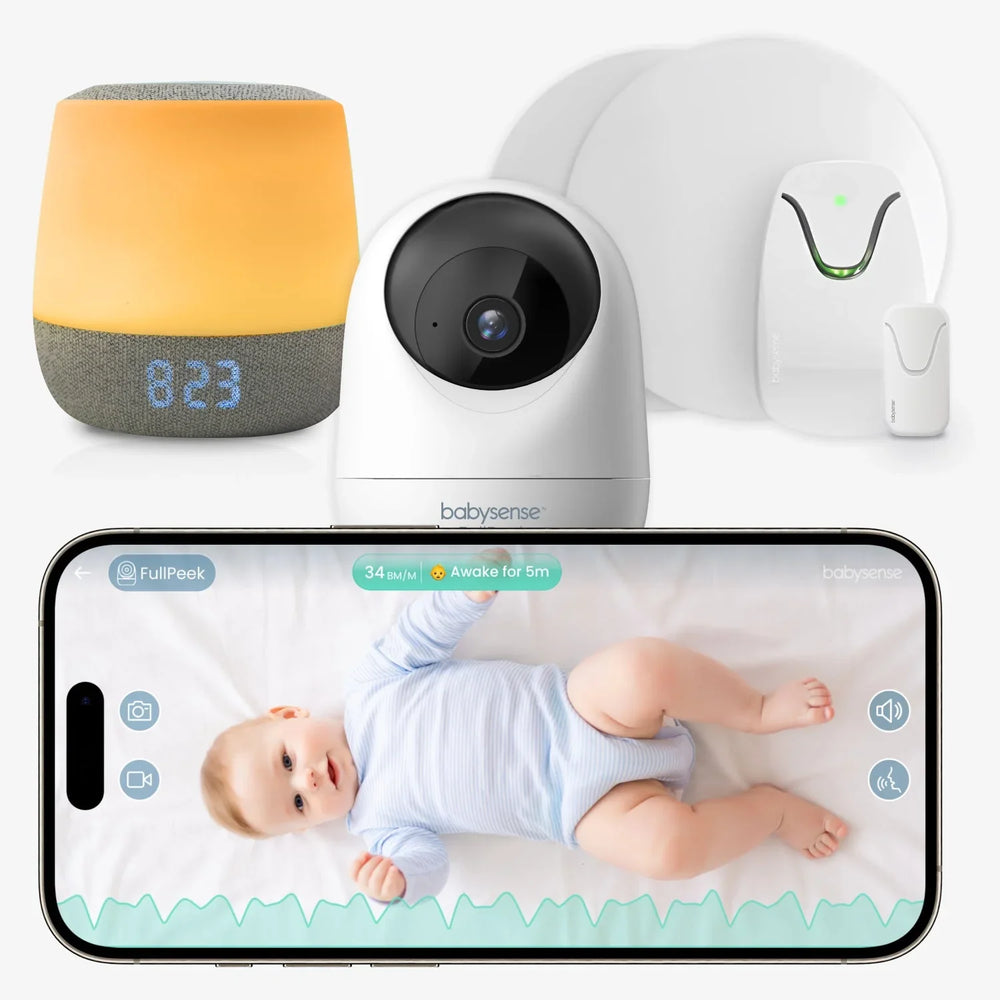
Babysense
Reliable monitoring that grows with your family.
Core Focus
Movement, breathing, sound, and environmental monitoring
Connectivity
Non-Wi-Fi, Wi-Fi, and hybrid options
Multi-Camera Support
Yes, up to 4 cameras
Subscription Required
No
Owlet
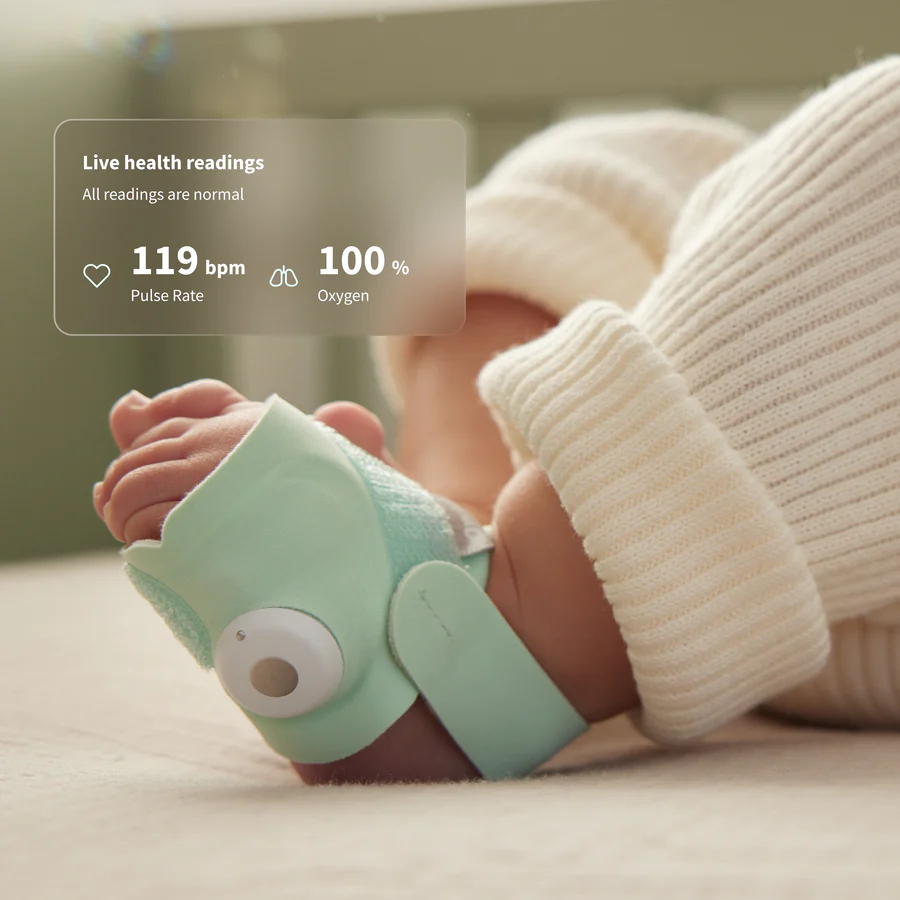
FDA-cleared insight into your baby's oxygen and pulse.
Core Focus
Physiological monitoring via wearable sock
Connectivity
Wi-Fi and app-based
Multi-Camera Support
Limited, primarily single-child focus
Subscription Required
No
Key Differences Between Babysense and Owlet
Feature | Babysense | Owlet |
|---|---|---|
Core Monitoring Focus | Movement, breathing, and environment | Physiological data (oxygen, pulse) |
Wearable Required | No | Yes, the Dream Sock |
FDA Clearance | Not applicable | Yes, Dream Sock is FDA-cleared |
Connectivity | Non-Wi-Fi, Wi-Fi, and hybrid options | Wi-Fi and app-based |
Age Range | Not age-limited | Approx. 1 to 18 months |
Setup Complexity | Simple, plug-and-play on most models | Moderate, app account and sock fitting required |
Subscription Required | No | No, but some features may vary by app version |
Multi-Room Scalability | Strong, supports up to 4 cameras | Limited, primarily single-child focus |
Best For | Movement and environment monitoring across multiple rooms | Physiological tracking during early infancy |
Choosing Between Babysense vs Owlet for Sleep Tracking
Babysense and Owlet aren't really competing for the same job. Babysense focuses on movement, sound, and environment, giving you a scalable, wearable-free system that grows with your family.
Owlet focuses on physiological data through its FDA-cleared Dream Sock, offering deeper insight during a defined window of early infancy.
The best choice depends on whether your priority is broad, long-term monitoring, or depth of physiological insight during the first year.
References
1. U of U Health Authors & Marketing and Communication. (2026, May 18). Are wearable baby monitors safe for sleep? a pediatrician explains. University of Utah Health | University of Utah Health. https://healthcare.utah.edu/healthfeed/2026/05/are-wearable-baby-monitors-safe-sleep-pediatrician-explains
FAQs
What's the main difference between Babysense and Owlet?
Babysense focuses on movement, sound, and environmental monitoring around your baby. Owlet focuses on physiological monitoring through its wearable Dream Sock, tracking oxygen saturation and pulse rate.
Is the Owlet Dream Sock FDA-cleared?
Yes. In the United States, the Dream Sock has received FDA clearance as an over-the-counter infant pulse oximetry device for healthy infants aged 1 to 18 months.
Does Babysense require a wearable device?
No. Babysense monitors use camera-based monitoring or under-mattress sensor pads, so nothing needs to be attached to your baby.
Which monitor is better for multiple children or rooms?
Babysense. Many models support up to four cameras with split-screen viewing, making it easier to monitor more than one child or room from a single parent unit. Owlet is primarily designed for single-child monitoring.