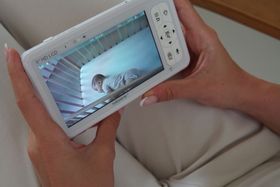


5 Best Baby Breathing Movement Monitors for Peace of Mind
These are five of the best baby breathing movement monitors for added peace of mind. From the contact-free Babysense True Sleep to the detailed tracking of the Sense-U Pro, each device has a unique set of features tailored to different nursery setups.






Updated August 25, 2026
AI Summary


Those first few nights at home with a new baby can feel overwhelming. You find yourself tiptoeing into the room just to monitor their breathing, watching them over and over again. If that sounds familiar, well, it's one of the most common things new parents do, and it makes complete sense.
A baby breathing movement monitor won't replace those instincts, but it can give you a little more room to breathe. In this post, we break down how these monitors work, what to look for, and which ones are worth your attention.
Overview of the 5 Best Baby Breathing Movement Monitors
Babysense True Sleep
The Babysense True Sleep is a great pick for parents who want breathing motion detection and video monitoring in one system, without anything touching their baby.
Babysense 7 & V24R Bundle
The Babysense 7 & V24R Bundle is a solid choice for parents who want a non-contact breathing movement monitor paired with video, all in a single, Wi-Fi-free setup.
Babysense HOME 2-in-1 Monitoring Set
The Babysense HOME 2-in-1 set is ideal for parents who've set up a proper nursery and want a complete monitoring ecosystem with dual cameras and dual sensor pads.
Show more
How Baby Breathing Movement Monitors Work
The Technology Behind Breathing Motion Detection
Baby breathing movement monitors track the small movements your baby makes with every breath, that is, the tiny rise and fall of their chest or abdomen while they sleep. There are three main ways they do this:
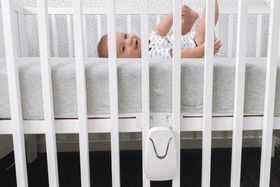
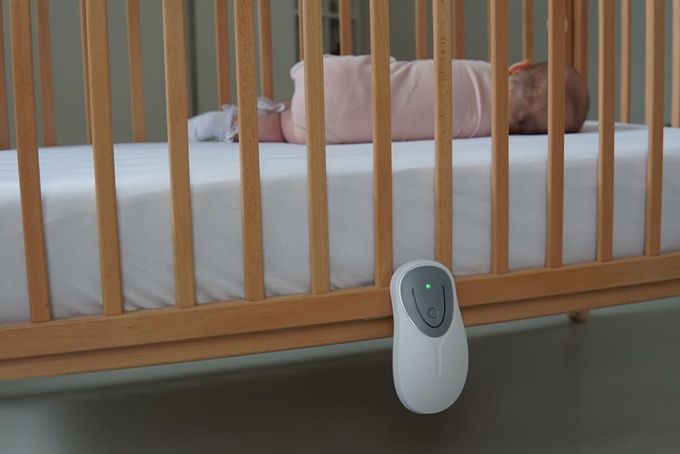
- Under-mattress sensor pads sit beneath your baby's mattress and pick up the pressure changes caused by breathing movements. They're highly sensitive and completely contact-free. Your baby doesn't wear or touch anything.
- Wearable monitors clip onto your baby's clothing or slip onto their foot. They use accelerometers and motion sensors to detect abdominal or chest movement, and some also track heart rate and oxygen levels.
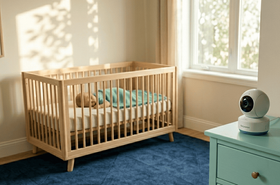
- Camera-based systems use computer vision and AI to visually detect breathing motions through pixel-level changes in your baby's chest movement. Most work in low light or complete darkness through infrared technology.
Commercial Monitors vs. Medical-Grade Apnea Monitors
It's important to understand the difference between the two. Commercial breathing movement monitors for babies are designed to give parents peace of mind during normal sleep monitoring. They're not designed to diagnose or manage medical conditions.
Medical-grade apnea monitors are a different category entirely. They're used for babies with specific conditions like apnea of prematurity, chronic lung disease, or neurological issues, and they're prescribed and monitored by a doctor.
What to Look for in a Baby Breathing Movement Monitor
Here's what's worth prioritizing when you're choosing:
- High-sensitivity sensors: Your baby's breathing movements are tiny. You need a monitor that can reliably pick them up, even during shallow breathing.
- A clear, reliable alert system: Babies breathe 30 to 60 times per minute. A good monitor should alert you if movement isn't detected for 15 to 20 seconds.
- Low false alarm rates: False alarms are stressful for everyone. Look for monitors with good signal filtering, especially if your baby is an active sleeper.
- Long battery life and stable connection: Overnight monitoring means you need something that won't drop out halfway through the night.
- Safe hardware: No loose wires near the crib, a comfortable fit for wearables, and easy cord management.
Baby Breathing Motion Monitors and Safety
Safe Placement of Baby Monitors
Before we get into the products, here are the basics for safe monitor use:
- For sensor pads: place the pad under the mattress only, never under the sheet or on top of the mattress. Make sure the sleep surface is firm and flat, and keep all wires safely tucked away from the crib.
- For wearables: make sure the fit is snug but comfortable. Check regularly for any skin irritation, redness, or warmth. Follow the manufacturer's placement guidelines carefully, as incorrect positioning can lead to false alarms.
What About SIDS?
The American Academy of Pediatrics is clear on this: monitors are not a substitute for safe sleep practices [1].
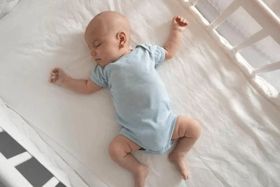
A monitor is a helpful tool, not a SIDS safety guarantee. Always place your baby on their back, on a firm, flat surface, in a clear sleep space.
The 5 Best Baby Breathing Movement Monitors
1

Babysense True Sleep
Video monitoring and breathing motion detection without the fuss.
Connectivity
Non-Wi-Fi
Detection Type
Dual non-contact pads
Alert Threshold
20 seconds no movement
Why we chose it
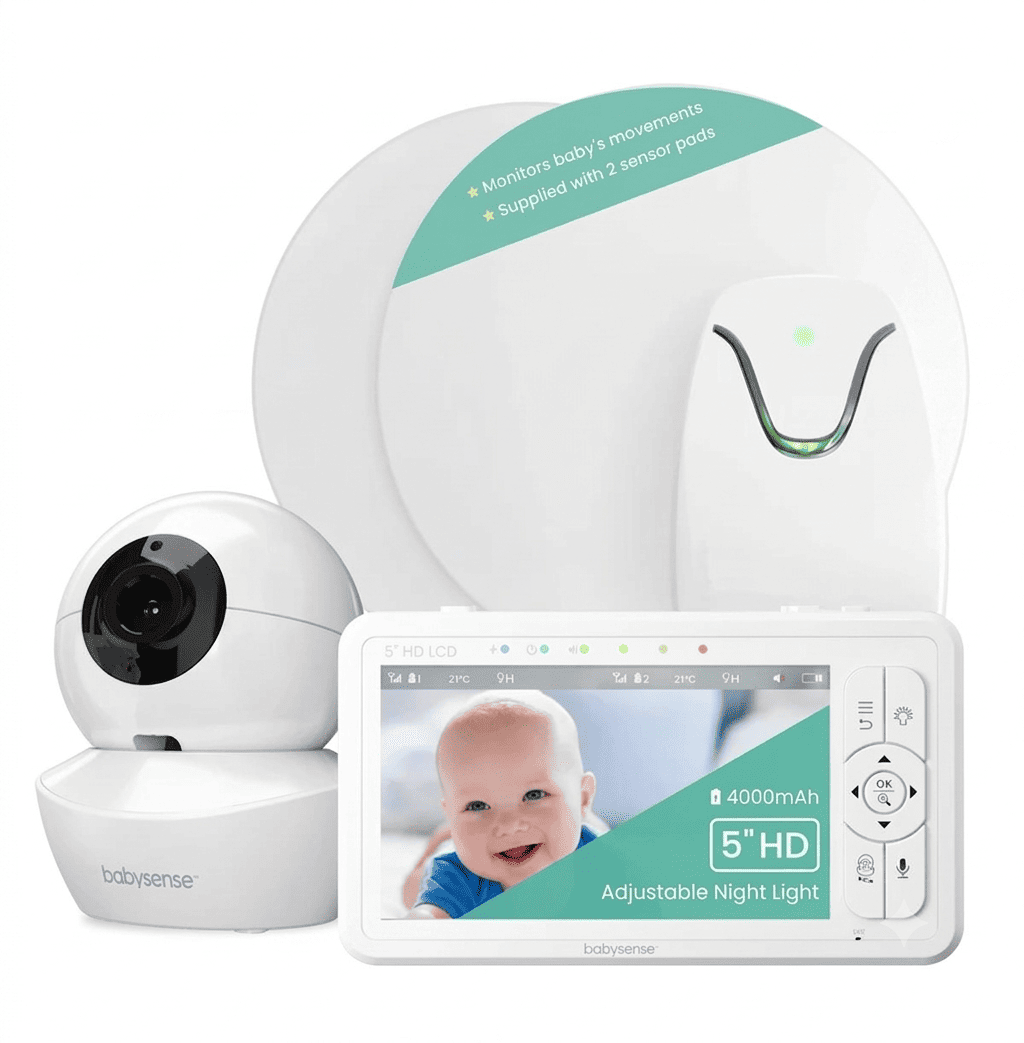
The Babysense True Sleep combines dual under-mattress sensor pads with a 5-inch HD video monitor. This is a convenient all-in-one system for new parents, giving them the assurance of breathing movement detection and a clear view of their baby.
With the breathing motion monitor, there's no need to clip anything to your baby or worry about a device slipping off overnight. The dual pads cover the full sleep area, so even if your baby shifts position, the sensors still pick up movement. You'll receive an audio-visual alert if no movement is detected for 20 seconds or there are fewer than 10 micro-movements in a minute.
When it comes to video monitoring, you get night vision, remote pan-tilt-zoom, two-way audio, and up to 20 hours of battery life in ECO mode.
Pros and cons
Two sensor pads cover the entire sleep surface
Combined breathing detection and HD video
No wearables and no Wi-Fi needed
Clear 20-second no-movement alerts
Up to 20 hours of battery life in ECO mode
Sensor pads need a firm, flat mattress to work accurately
Less practical for travel or moving between sleep spaces
2
Babysense 7 & V24R Bundle
Breathing motion detection and video that's completely contact-free.
Connectivity
Non-Wi-Fi
Detection Type
Dual under-mattress pads
Alert Threshold
20 seconds no movement
Why we chose it
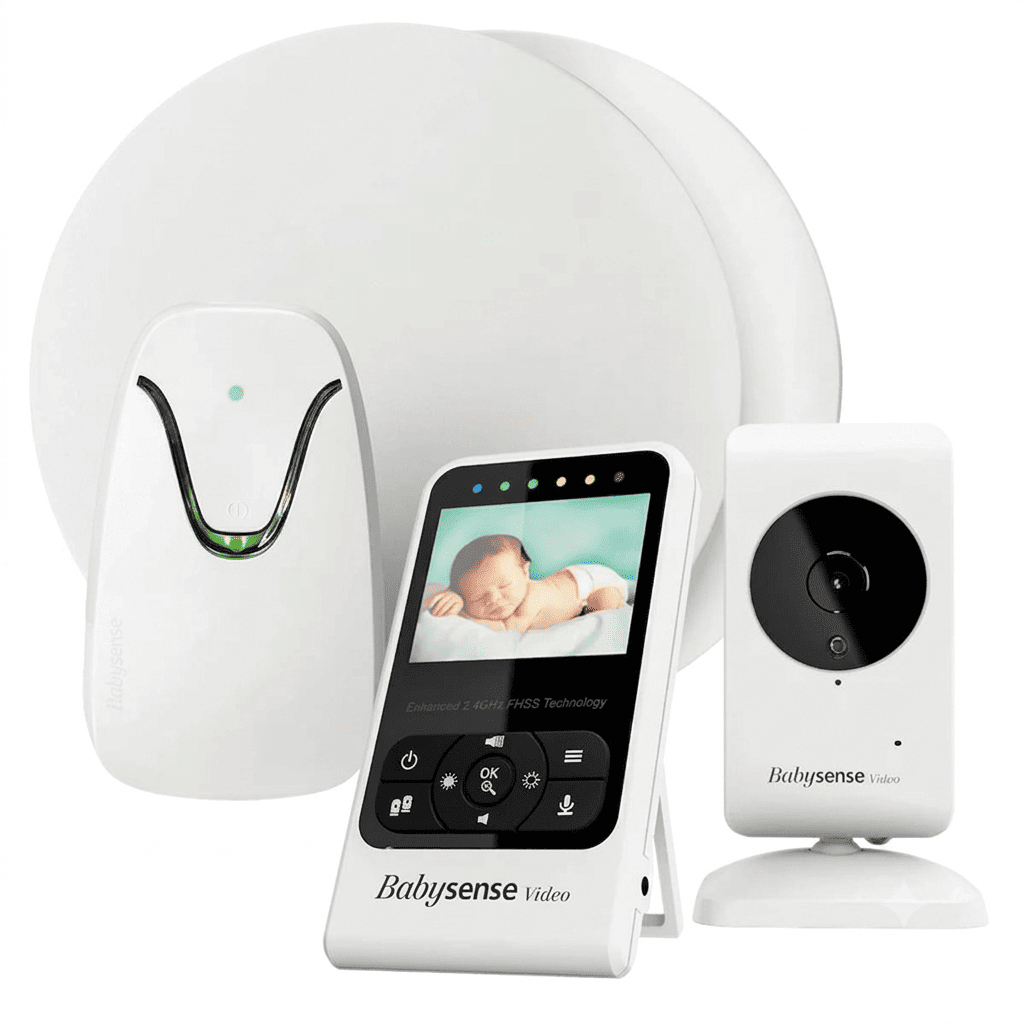
The Babysense 7 & V24R Bundle pairs a breathing movement monitor with a video monitor in a single, Wi-Fi-free system.
The dual under-mattress pads detect chest micro-movements. Unlike camera-based breathing monitors, the Babysense 7's pressure sensing doesn't rely on lighting or camera angles. This means your baby's breathing is still tracked even in low-light conditions or if they move out of frame.
The compact 2.4-inch LCD video monitoring screen keeps things simple and portable. Two-way audio and 2x zoom round out a reliable everyday setup for parents who prefer to keep things private and offline.
Pros and cons
Under-mattress pads don't disturb your baby
Works independently of camera angle or room lighting
Non-Wi-Fi means no app or account needed
Supports up to four cameras
Two-way audio included
2.4-inch screen is smaller compared to other models
Extra blanket layers or a soft mattress can reduce sensor accuracy
3
Babysense HOME 2-in-1 Monitoring Set
A complete monitoring ecosystem, right where your baby sleeps.
Connectivity
Non-Wi-Fi
Detection Type
Dual under-mattress pads
Alert Threshold
20 seconds no movement
Why we chose it
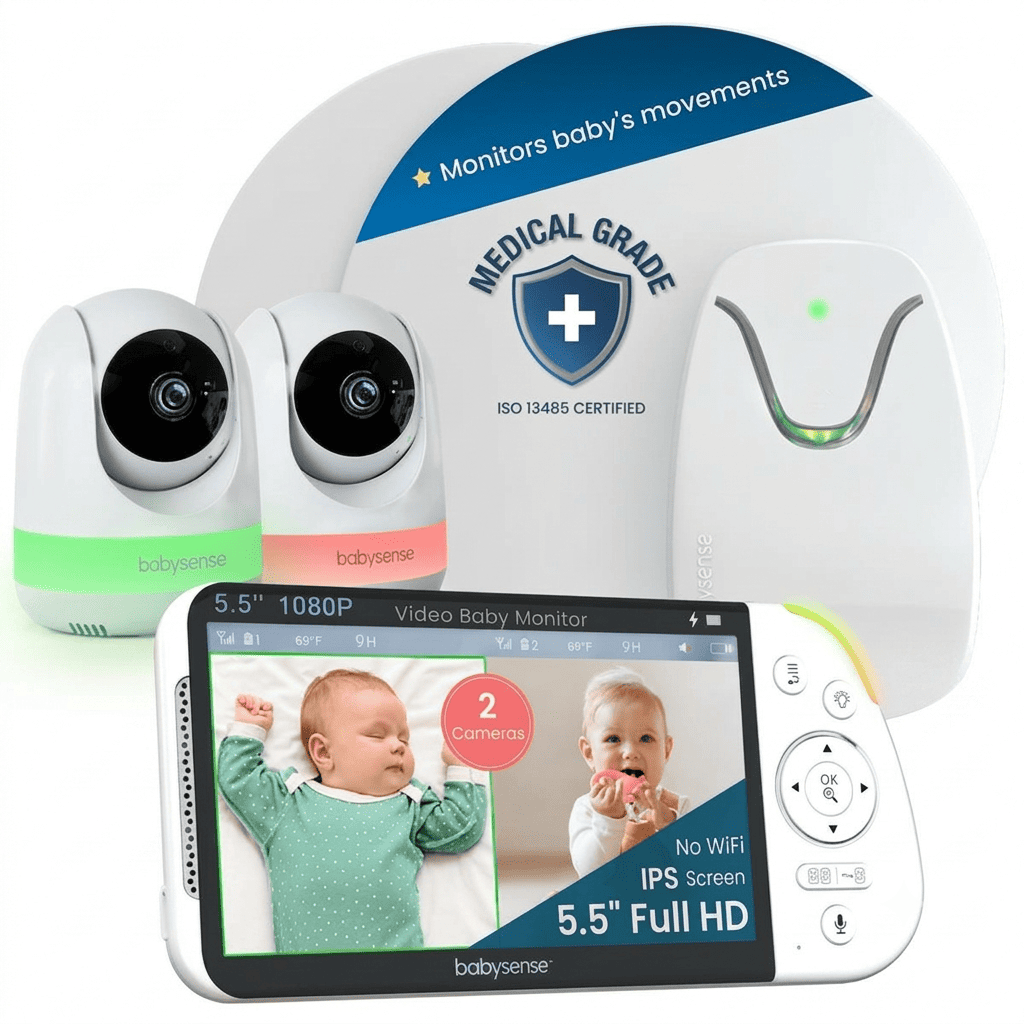
The Babysense HOME set brings together a Babysense 7 breathing motion monitor, a 5.5-inch Full HD video monitor, and two PTZ cameras into one complete package.
The two under-mattress sensor pads handle breathing movement detection while the cameras cover the visual side. Because the system runs without Wi-Fi, there's no app to manage or an account to worry about.
The video monitor includes built-in RGB night lights, white noise, and lullabies, making it a solid all-in-one setup for parents who've set up a proper nursery and want everything working together from day one.
Pros and cons
Full ecosystem with breathing motion detection and video monitoring in one setup
Dual sensor pads with no contact required
Two cameras, which are great for two rooms or two babies
No Wi-Fi and no app dependency
Parent unit has a large 5.5-inch Full HD display
If your baby shifts partially off the sensor pad, detection may be affected
Not suitable for travel as sensor pads need a firm, flat surface
4

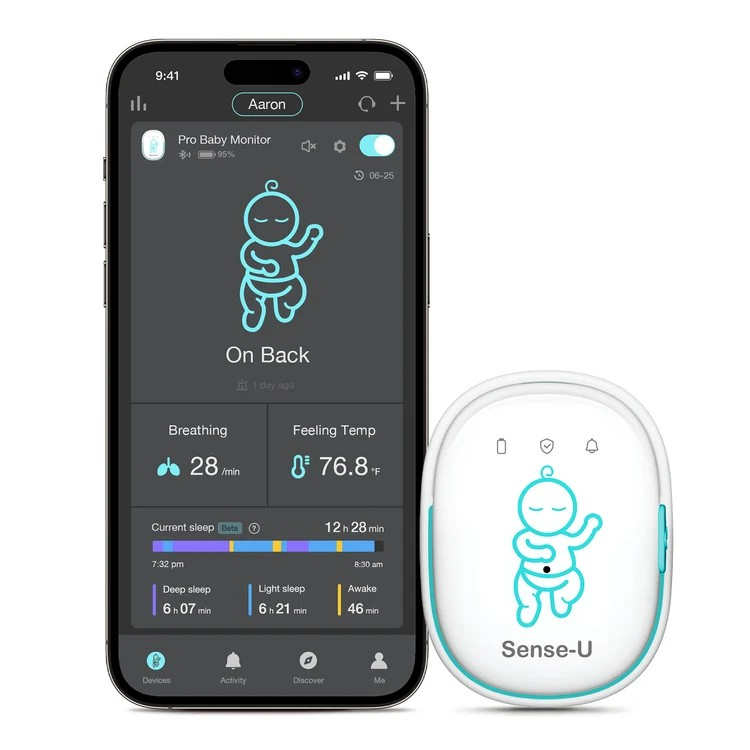
Sense-U Pro
Breathing movement detection wherever your baby goes.
Connectivity
Bluetooth + App
Detection Type
Wearable clip-on accelerometer
Alert Threshold
15 seconds no movement
Why we chose it
The Sense-U Pro clips onto your baby's diaper or waistband and uses an accelerometer to track abdominal movement, the natural up-and-down motion of breathing. It also monitors body temperature and detects rolling, which can be useful in the early months. If no movement is detected for 15 seconds, it first sends a gentle vibration to rouse the baby, then sounds a louder alert.
The rechargeable battery lasts up to seven days per charge, and the app gives you a summary of sleep stages and overall sleep quality. For parents who frequently move their baby between a crib, bassinet, or travel cot, the portability is a real advantage.
Pros and cons
Portable, so it works in any sleep environment
15-second no-movement alert with gentle vibration first
Tracks body temperature and rolling
Clip must be correctly positioned for accurate monitoring
Can cause skin irritation for babies with sensitive skin
5

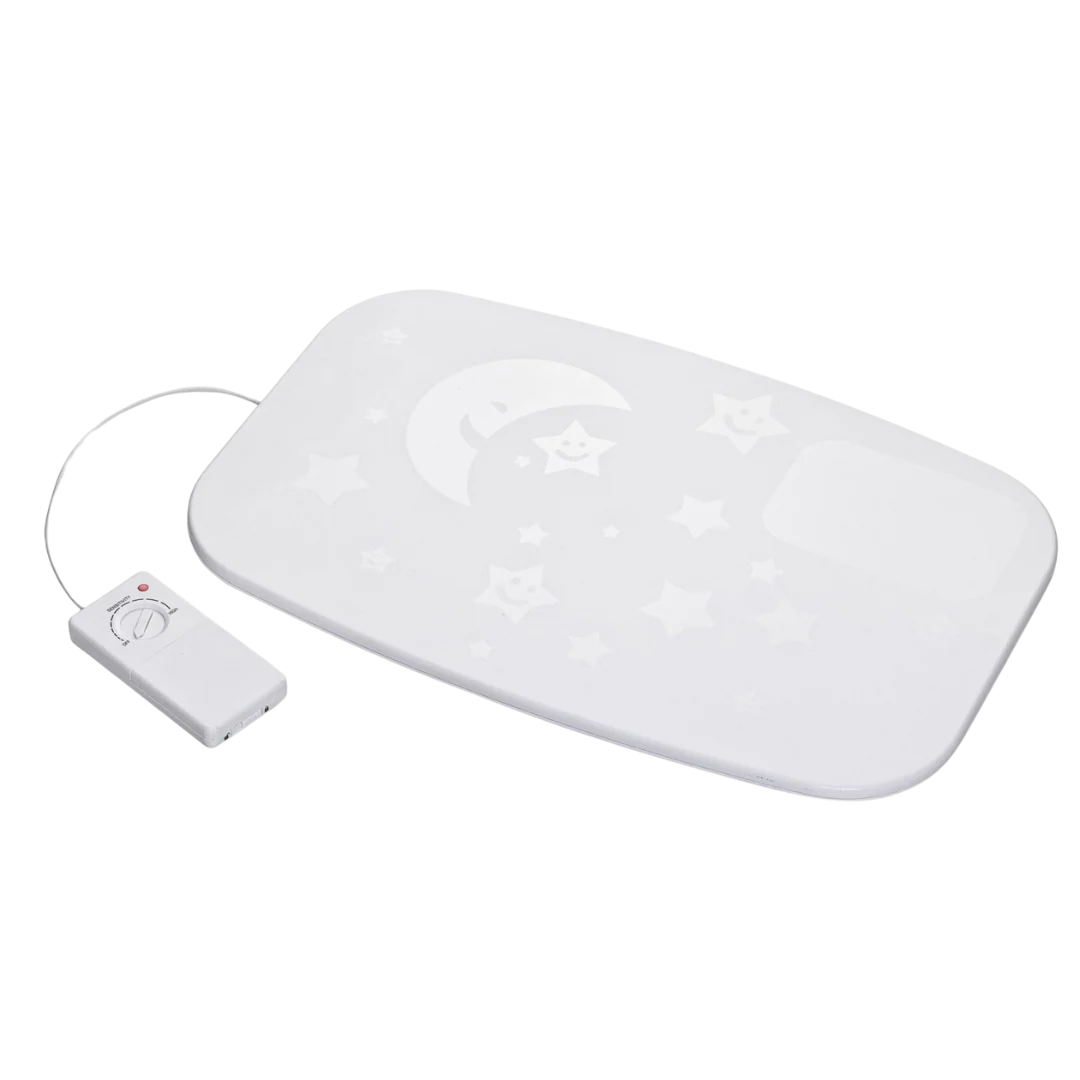
Bebcare Mat
Add breathing movement detection to your existing Bebcare setup.
Connectivity
Non-Wi-Fi, low EMF
Detection Type
Three piezoelectric under-mattress sensors
Alert Threshold
20 seconds no movement
Why we chose it
The Bebcare Mat adds under-mattress breathing movement detection to your existing video monitor ecosystem.
The large mat houses three piezoelectric sensors that track breathing micro-movements passively. This means there's no contact, no wearables, and no Wi-Fi involved. The monitor alerts you if no movement is detected for 20 seconds, has adjustable breathing-sensitivity settings, and the battery lasts up to 90 days.
For parents who are already Bebcare users and want to add a layer of breathing monitoring without switching systems, it's a straightforward, cost-effective, and low-EMF option.
Pros and cons
Three piezoelectric sensors for passive, contact-free detection
Adjustable breathing sensitivity
Up to 90 days of battery life
Has 94% less EMF emissions than average monitors
Isn't a standalone device
Only works with other Bebcare models
Not suitable for premature babies or those needing medical-grade monitoring
Finding the Right Baby Breathing Movement Monitor for You
The right monitor really comes down to what your baby needs and what gives you peace of mind. If you want a contact-free setup with breathing motion detection and video in one place, the Babysense True Sleep or the Babysense HOME set are strong starting points. If you already have a video monitor, an add-on like the Bebcare Mat can save you money.
Whatever you choose, remember that a breathing movement monitor is a helpful tool, but not a replacement for safe sleep. Keep your baby's sleep space firm, flat, and clear, and let the monitor do its job quietly in the background.
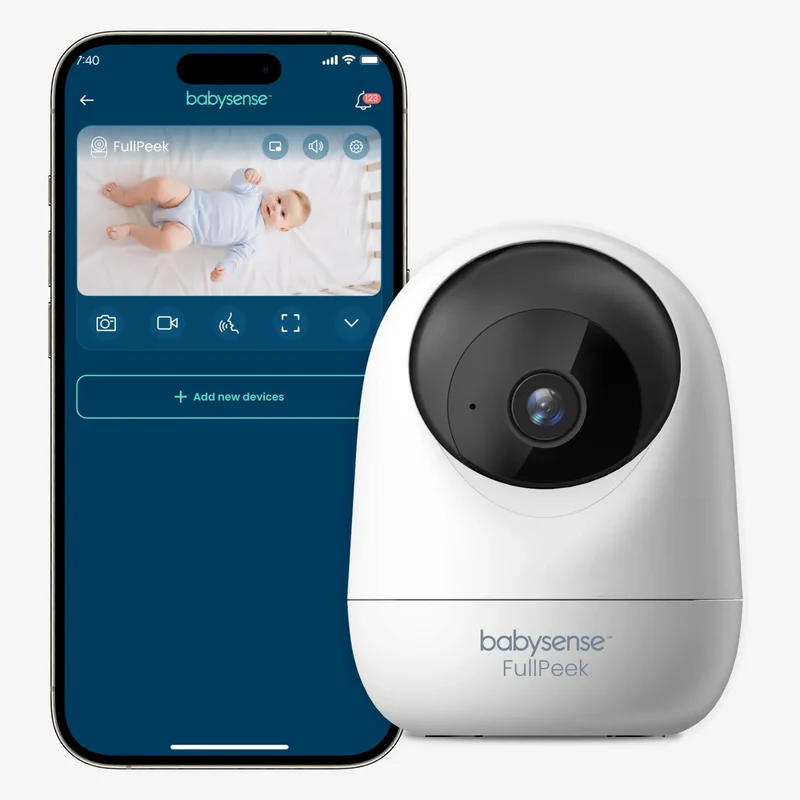
Rest a Little Easier Tonight
The Babysense True Sleep offers breathing movement detection and a clear view of your baby in one system.
References
1. American Academy of Pediatrics. (2025, July 7). Safe Sleep.
https://www.aap.org/en/patient-care/safe-sleep/
FAQs
When should I stop using a breathing movement monitor?
Most parents start scaling back after the highest-risk SIDS window of around 12 months. Before then, we recommend that parents use one sensor until the baby is three months old or starts rolling, and then add a second sensor for broader crib monitoring.
Can a breathing movement monitor prevent SIDS?
No. The AAP is clear that no monitor prevents SIDS. A breathing motion monitor can alert you to a pause in movement, but it's not a safety guarantee. Safe sleep practices, back sleeping, a firm, flat surface, and a clear crib remain the most important protection.
Are these monitors suitable for premature babies?
Yes, Babysense under-mattress monitors do not have a minimum weight limit and can be used from birth. However, if your baby was born prematurely or has an underlying medical condition, always consult your pediatrician or healthcare provider first to determine if your baby requires a specialized medical-grade monitoring system.
What should I do if the monitor keeps giving false alarms?
Check the sensor placement first. For under-mattress pads, make sure the mattress is firm and flat with no extra layers on top. For wearables, check the fit and positioning. If false alarms continue, contact the manufacturer, as sensitivity settings on some monitors can be adjusted.
Is it okay to use a breathing movement monitor alongside other nursery devices?
Yes, as long as everything is placed safely. Keep all cords and monitor parts at least six feet from the crib, and make sure no wires run through the sleep space. Always follow the AAP safe sleep guidelines alongside any monitor you use.
Should parents of healthy babies use a breathing movement monitor?
It's a personal choice. There's no medical recommendation for healthy, full-term babies to use breathing movement monitors. But if it helps you feel calmer and sleep better, that matters too. Just don't let it replace safe sleep habits or become a source of constant anxiety.