Babysense vs. HelloBaby: The Best Non-Wi-Fi Choice for New Parents
Comparing two popular non-Wi-Fi baby monitors, Babysense and HelloBaby, covering key differences, image quality, ease of use, and which families each one suits best.






Updated September 7, 2026
AI Summary


When it comes to evaluating and then deciding on a baby monitor, it can feel overwhelming, especially when you're already running on little sleep. There are so many options out there, and it's hard to know which one is actually worth your money.
In this post, we'll break down the key differences between Babysense and HelloBaby monitors so you can choose the best non-Wi-Fi device that fits your family best.
Overview of Babysense Monitors and HelloBaby
These two baby monitor brands take pretty different approaches to baby monitoring. Here's a quick side-by-side look at how they compare:
BFeature | Babysense | HelloBaby |
|---|---|---|
Display | 4.3", 5", & 5.5" HD screens | 5" screens |
Night Vision | ✓ | ✓ |
Two-Way Talk | ✓ | ✓ |
Temperature Monitoring | ✓ | ✓ |
VOX Mode | ✓ | ✓ |
Split-Screen Viewing | ✓ | ✗ |
Multi-Camera Support | Up to 4 cameras | Limited |
Wi-Fi Required | No (Wi-Fi and hybrid options also available) | No |
Pan/Tilt/Zoom | ✓ | Limited |
Price Range | Budget-friendly to more premium | Budget-friendly |
Both brands offer monitors that are non-Wi-Fi, which means no apps, no router, and no privacy concerns about cloud storage. They connect directly between the camera and parent unit, keeping things simple and secure.
Detailed Comparison: Babysense vs. HelloBaby
Babysense Video Monitors and Non-Contact Sensor Pads

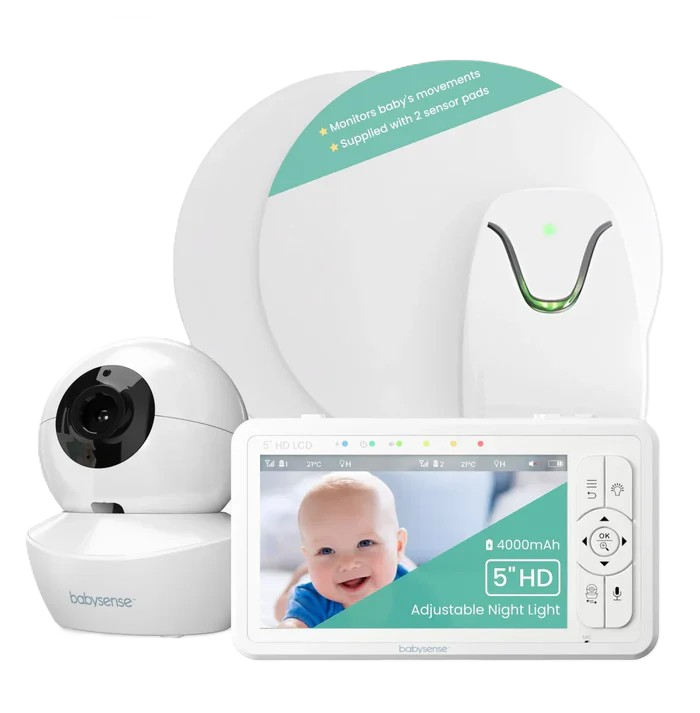
Babysense
Versatile and feature-rich, perfect for growing families.
Display & Video Quality
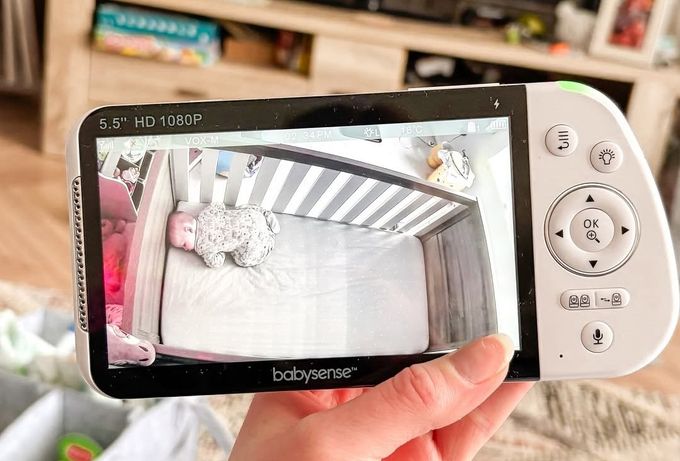
Ranges from compact 4.3-inch to clear 5-inch 720p HD, and large 5.5-inch 1080p Full HD displays
Camera System
Full 360° motorized pan-tilt-zoom cameras supporting up to 4-camera split-screen
Integrated Soothing
Camera-based sound machines (white noise/lullabies) and customizable night lights
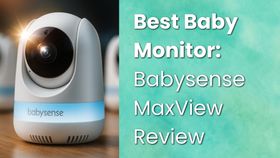
Babysense builds feature-rich video monitors designed to give you complete visibility and built-in comforting tools. Known for high-definition screen technology, from more compact 4.3-inch displays to 5-inch 720p and 5.5-inch 1080p Full HD units, Babysense eliminates low-light guesswork.
Beyond crisp video, the brand integrates built-in sound machines and 6-color RGB nightlights directly into the camera units, reducing extra nursery clutter.
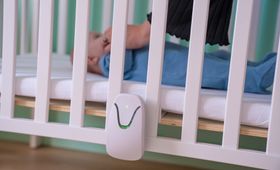
Ideal for holistic nursery monitoring, Babysense seamlessly combines non-wearable breathing motion tracking with both local non-Wi-Fi and smart Wi-Fi camera options for families seeking a fully adaptable monitoring system.
Pros
- 720p and 1080p Full HD displays offer exceptional night-vision contrast.
- Integrated sound machine (white noise/lullabies) and 6-color RGB nightlights.
- Supports up to 4 cameras with side-by-side viewing and automatic audio rotation on the non-Wi-Fi monitors.
- Remote 360° pan, tilt, and multi-level digital zoom controls directly from parent unit.
Cons
- Advanced features mean a slight learning curve during initial setup.
- High-resolution screen displays require regular nightly charging.
HelloBaby Video Monitors and Portable Non-Wi-Fi Cameras

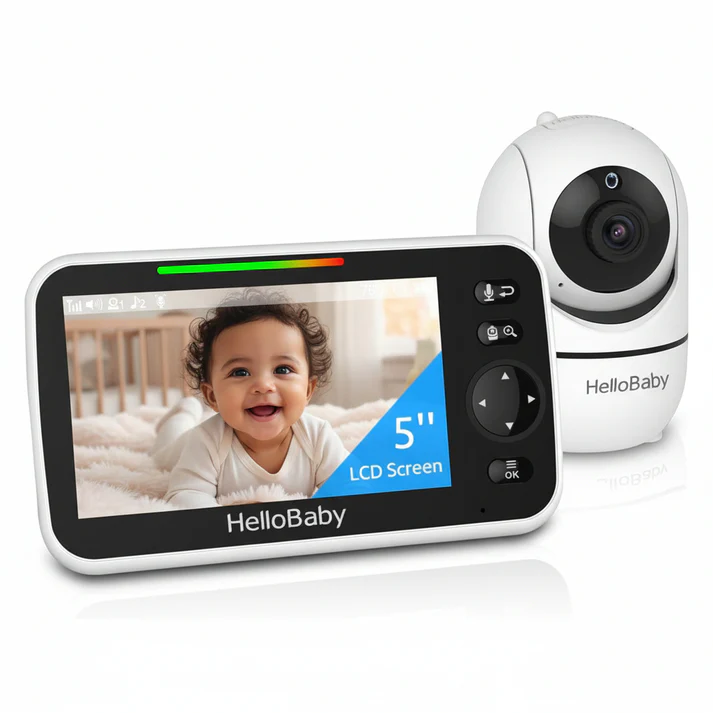
HelloBaby
Simple and affordable, ideal for first-time parents.
Display & Video Quality
Compact, standard-definition displays
Camera System
Straightforward single-camera setups
Ease of Use
Instant plug-and-play setup requiring zero menu configuration
HelloBaby focuses on delivering affordable, entry-level monitoring solutions. Their monitors provide clean, real-time video on standard display screens without overwhelming you with deep settings menus or complex controls.
Pros
- Instant pairing with virtually zero setup hassle or learning curve.
- Delivers essential monitoring capabilities at a fraction of the cost.
- Compact form factor makes it ideal for travel or multi-location use.
Cons
- Basic display quality makes fine details harder to see in dark rooms.
- Basic lullabies and lights without RGB choices or built-in white noise.
Real World Differences of Babysense vs. HelloBaby
Privacy and Security
Neither brand requires Wi-Fi, which is a major advantage for security-conscious parents. The signal streams directly between the camera and parent unit using secure FHSS technology, so there are no cloud accounts, no apps to configure, and zero risk of external hacking.
Range and Reliability
Both brands advertise signal ranges up to 1,000 feet in open space, but indoor performance varies:
- Standard apartments and single-floor layouts: Both brands maintain steady, reliable connections.
- Multi-story homes and thick walls: Babysense models maintain stronger connection stability across longer distances, whereas budget HelloBaby units can experience signal drops through heavy structural walls.
Battery Performance
- Because Babysense monitors drive larger HD displays and advanced camera features, they come equipped with larger battery banks (4,000mAh to 5,000mAh) alongside customizable ECO modes.
- HelloBaby units use smaller batteries that perform well for short bursts but require strict nightly charging schedules.
Picking the Right Non-Wi-Fi Baby Monitor
Both monitors are reliable, private, and easy to use, so whichever you choose, you're getting a solid monitoring experience. The real difference comes down to where you are in your parenting journey.
If you want something simple and affordable, HelloBaby has you covered. If you're thinking long-term, with multiple features and details, Babysense is the stronger investment, giving you that extra peace of mind.
FAQs
Do Babysense and HelloBaby monitors need Wi-Fi?
No, both brands use non-Wi-Fi technology. They connect directly between the camera and the parent unit, so you don't need internet access, an app, or a router.
Which is easier to set up, Babysense or HelloBaby?
HelloBaby is generally quicker to set up and easier to navigate right out of the box. Babysense has a slightly steeper learning curve, especially if you're using multiple cameras or advanced features.
Can I use these monitors when traveling or at grandparents' homes?
Yes, because neither monitor requires Wi-Fi, you can use them anywhere without reconfiguring anything. Just plug in and pair.
Is Babysense worth the higher price?
If you need multi-camera support, a larger HD display, or plan to expand your setup as your family grows, yes, Babysense offers better long-term value. For a single-baby, single-room setup, HelloBaby offers excellent value at a lower price.
Which monitor has better night vision?
Both use infrared night vision, but Babysense tends to produce a clearer, more detailed image with better contrast. HelloBaby's night vision is reliable for general monitoring but may show some glare or less detail at close range.